Two UT Austin Faculty Members Selected as 2026 Cottrell Scholars
William Gilpin in physics and Devleena Samanta in chemistry each were selected for the honor.
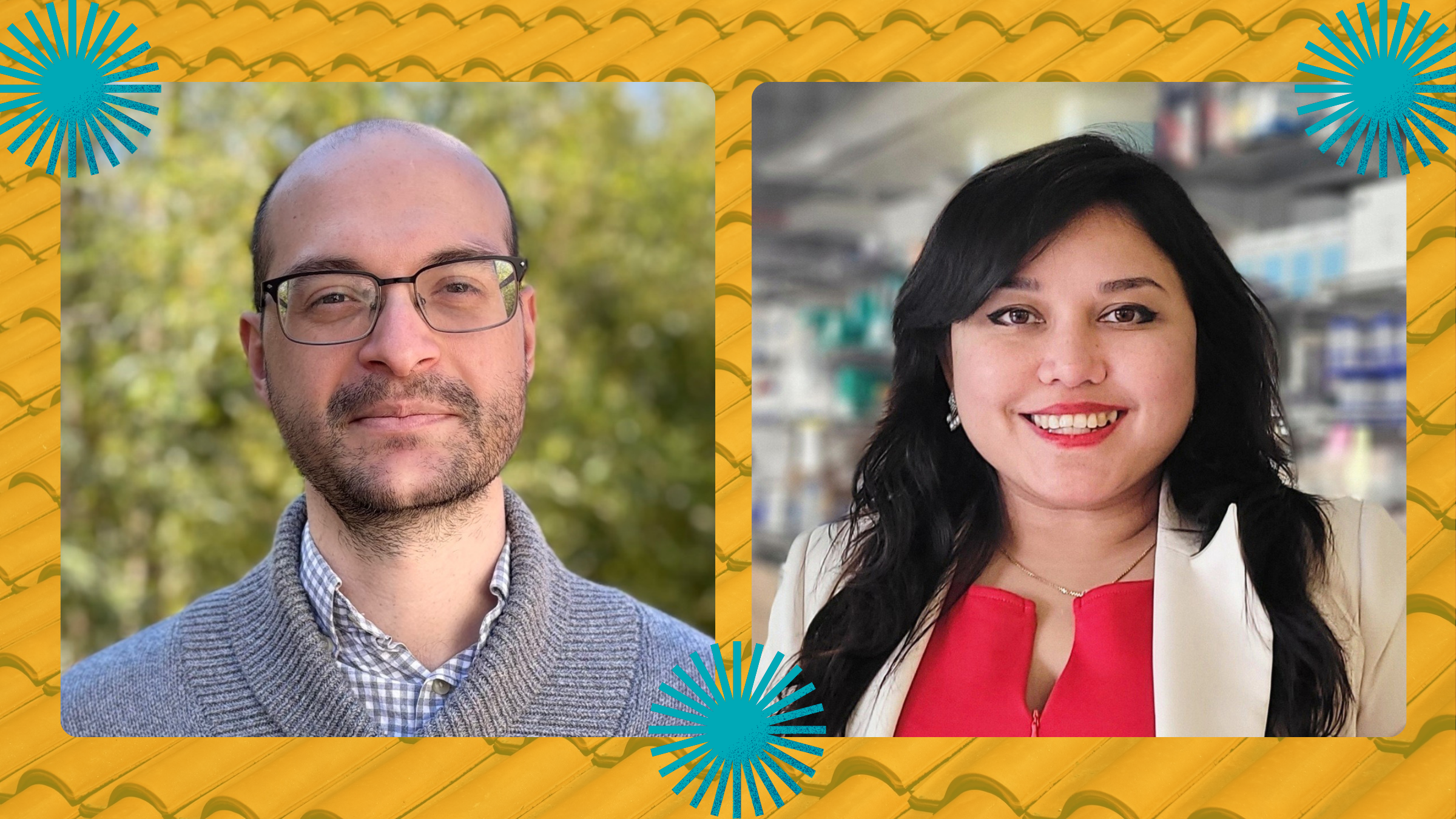
The Research Corporation for Science Advancement has selected two faculty members from The University of Texas at Austin – William Gilpin, assistant professor of physics, and Devleena Samanta, assistant professor of chemistry – as 2026 Cottrell Scholars. The recognition is a top honor for early career physical scientists with outstanding potential in research and teaching.
UT was the only institution to have more than one faculty member among the 24 scholars announced today from across the United States and Canada.
“This is an exceptional cohort of teacher‑scholars whose innovative work fuels discovery across the physical sciences,” said Eric Isaacs, president & CEO of the awarding organization, America’s first foundation dedicated wholly to science, in a statement. “Their insights and energy will strengthen a 600‑member network of researchers, leaders, and mentors dedicated to pushing the boundaries of knowledge while shaping the future of science and science teaching in the United States and Canada.”
William Gilpin’s research sits at the intersection of fluid dynamics, statistical learning and systems biology. Living systems, ranging from single cells to whole organisms, rely on complex internal dynamics that we often cannot directly observe. With this award, Gilpin plans to develop new machine-learning tools for recovering hidden biological dynamics from limited, noisy measurements. The open-source tools produced by this work will be applied to large biological datasets, such as whole-organism behavioral recordings or gene expression dynamics, to reveal universal dynamical structures. This work aims to explain why diverse biological systems exhibit low-dimensional, stereotyped behavior despite their apparent complexity.
Additionally, Gilpin hopes to integrate algorithmic thinking into the undergraduate physics curriculum. While computational approaches are often taught as a late elective in physics undergraduate programs, Gilpin will develop open-source, interactive materials that use modern research problems to teach core computational concepts early, through hands-on programming exercises paired with core topics from the physics curriculum.
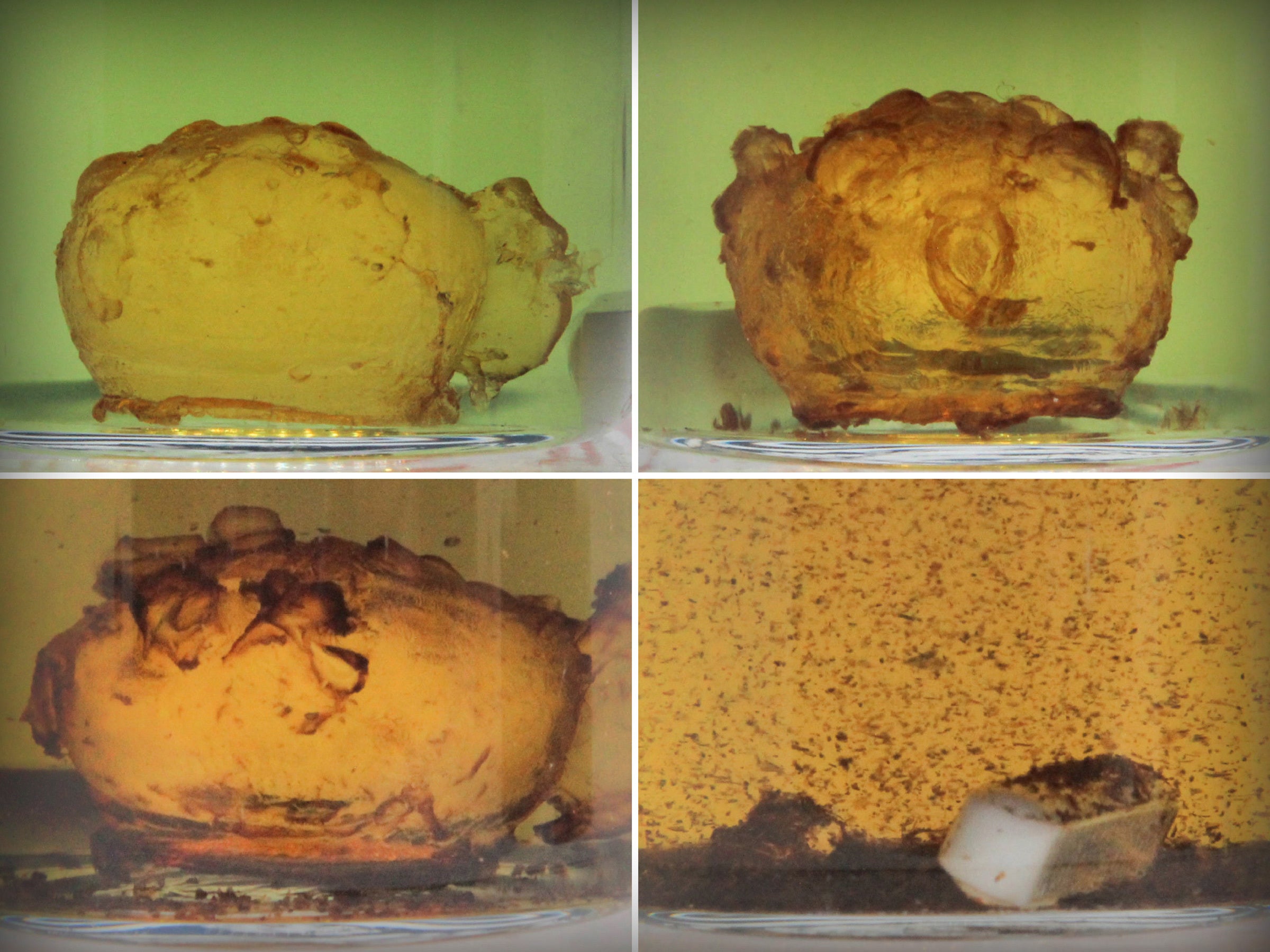
Devleena Samanta’s research centers on building tools to sense and control biocatalysis, or the use of enzymes to quicken chemical reactions. Enzymes are natural catalysts that drive many of the chemical processes necessary for medicine, manufacturing and everyday life, but real-world applications often require enzymes to be fixed onto solid surfaces. For example, glucose oxidase is an enzyme used on test strips to measure blood sugar levels. Unfortunately, most enzymes lose much of their activity when immobilized this way. Samanta and her team are developing nanostructured immobilization scaffolds that not only hold enzymes in place but actively improve enzyme function. Thus, these materials have the potential to “rewrite” how enzymes perform their tasks, which could enable more efficient and sustainable enzyme-based technologies for manufacturing and other applications.
Samanta also aims to improve undergraduates’ quantitative reasoning skills, or the ability to use math in the context of real-world problems. With support from the Cottrell Scholar Award, Samanta will develop interactive, story-based problem sets and AI-powered tutoring tools. These resources will provide immediate feedback, helping students practice decision-making, interpret data and learn from mistakes, while expanding access to personalized academic support beyond the classroom.
Each three-year award provides $120,000 and supports both research and educational activities.