

K-12 and Beyond
The College of Natural Sciences offers school children, teens and postsecondary learners a pipeline into science, technology, engineering and mathematics (STEM) success. We propel improvements that help students when they later pursue four-year degrees and eventually career success.
893,000
K-12 students are taught annually by a STEM teacher who learned via the UTeach model
250,000
secondary students use mathematics curriculum developed by our Charles A. Dana Center
280,000
college credit hours have been awarded since 2012 to high schoolers enrolled in OnRamps courses taught by Texas Science faculty
Our STEM education transformation initiatives reach hundreds of thousands of students in grades pre-K through 12, as well as after secondary school, in Texas and across the country. Our research-informed STEM curriculum, teaching and professional development spans initiatives. Women in STEM, a part of the college, hosts the largest STEM outreach event on campus for school children, and CNS has dozens of different camp and summer academy programs, serving thousands of youth throughout Texas.

Charles A. Dana Center
The Dana Center, within the College of Natural Sciences, aims to ensure each student is afforded access and opportunities in STEM, opening doors for students in later life. Currently, a collaboration between the center, UT and the Texas Higher Education Coordinating Board works to improve mathematical college readiness for more than 1.5 million public high school students in Texas via a new open-source mathematics curriculum. There are 27 states and Washington D.C. using the Dana Center’s Launch Years Initiative to help students bridge high-school-to-college transitions.

National Center for STEM Education & UTeach
Fifty universities, located in nearly half of all states in the country, now have UTeach programs that use the model developed here in the College of Natural Sciences for effectively training educators in science and mathematics. For over 20 years the UTeach Institute and its programs have effectively trained STEM teachers to succeed in dynamic K–12 school environments. In 2026, the Center came on line to deepen work led here to address persistent shortages of STEM teachers and needs to improve STEM education. By the end of this decade, at least 1 million students annually in elementary and secondary science and math classes will be learning from a teacher shaped by these programs and initiatives.
National Center for STEM Education
OnRamps
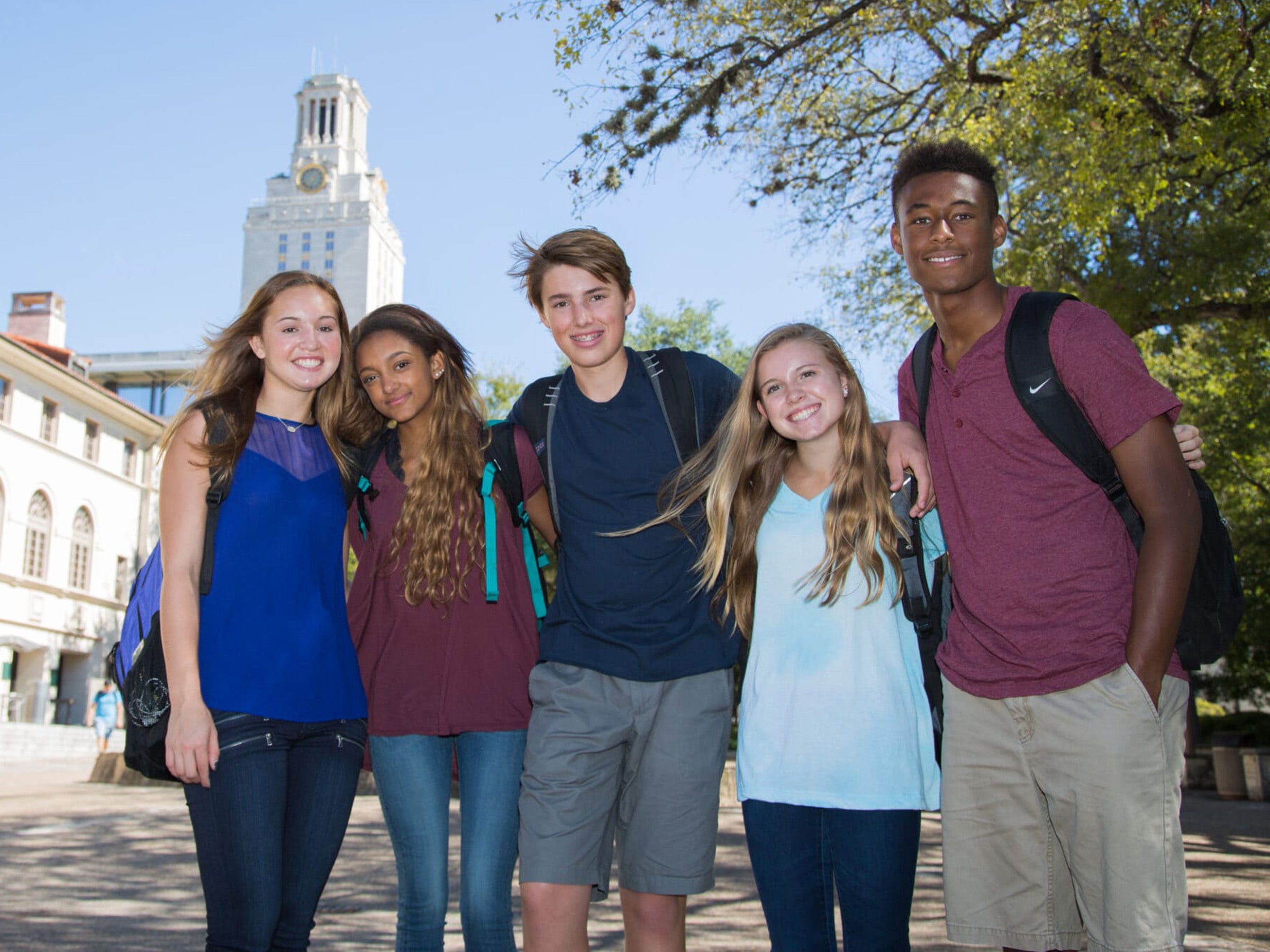
Since 2012, 2,200 instructors in 594 schools have taught UT College of Natural Sciences courses in high schools throughout Texas via the UT OnRamps program. This has allowed Texas high school students to earn college credit while in secondary school. Almost half (44%) of the students served in these courses identify as first generation, meaning they would be among the first in their family to receive a college degree.
WiSTEM
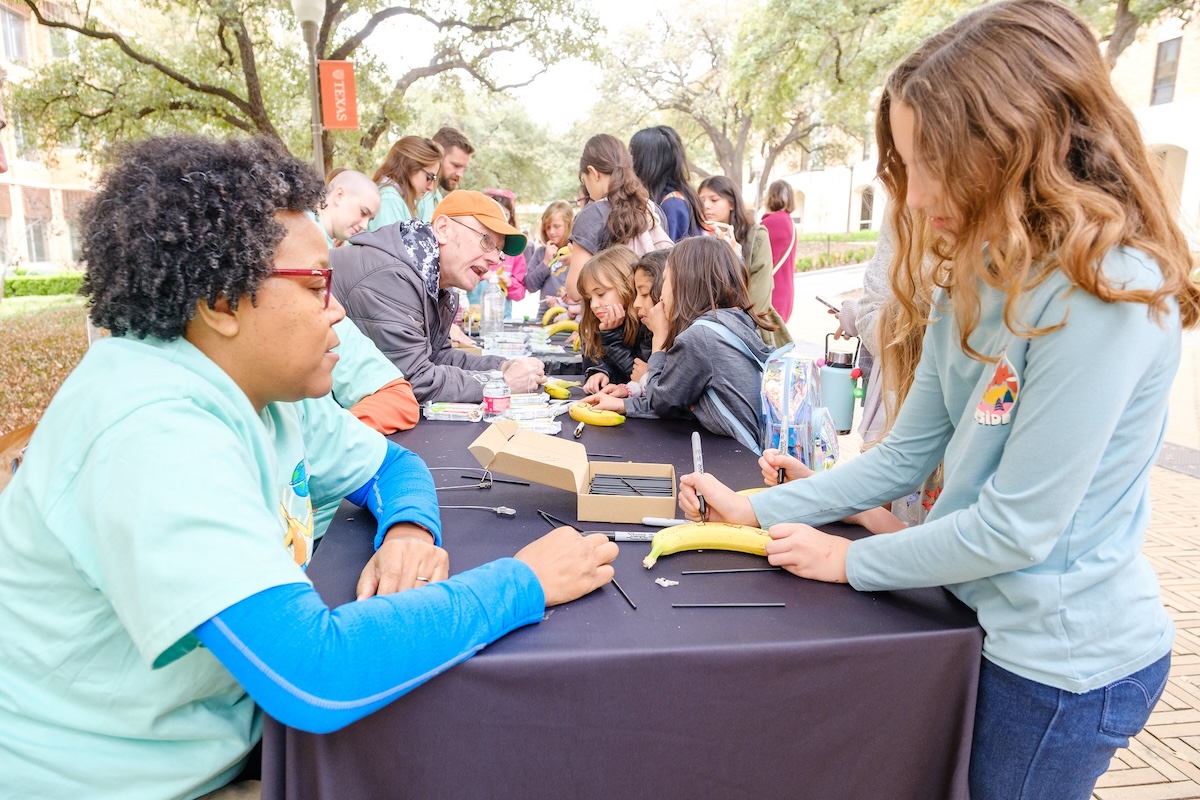
Women in STEM programs are designed to increase STEM identity, self-efficacy and sense of belonging for students, including an estimated 20,000 precollege students interacting with ambassadors from the College of Natural Sciences and UT at live community events and offerings such as summer camps and academies. The largest live event is the annual STEM Girl Day at UT Austin.