News: Biologics, Therapeutics and Devices
Read the latest news from the College of Natural Sciences at The University of Texas at Austin
Department of Molecular Biosciences
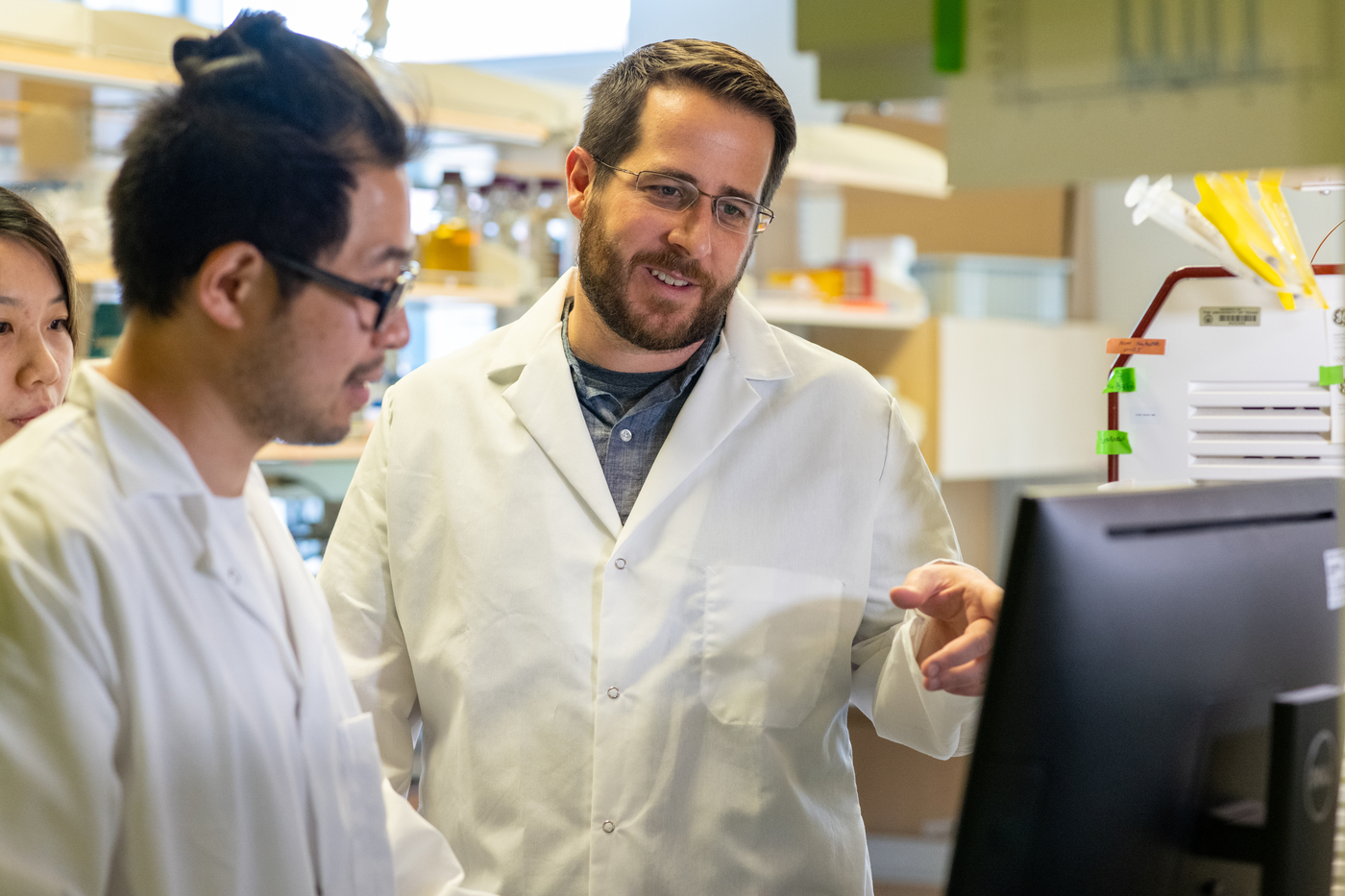
New Vaccine Advances Could Help Against More Viral Illnesses
Jason McLellan and his team advance understanding of human metapneumovirus (hMPV) and human cytomegalovirus (HCMV), which can help them develop vaccines.
Texas Scientist
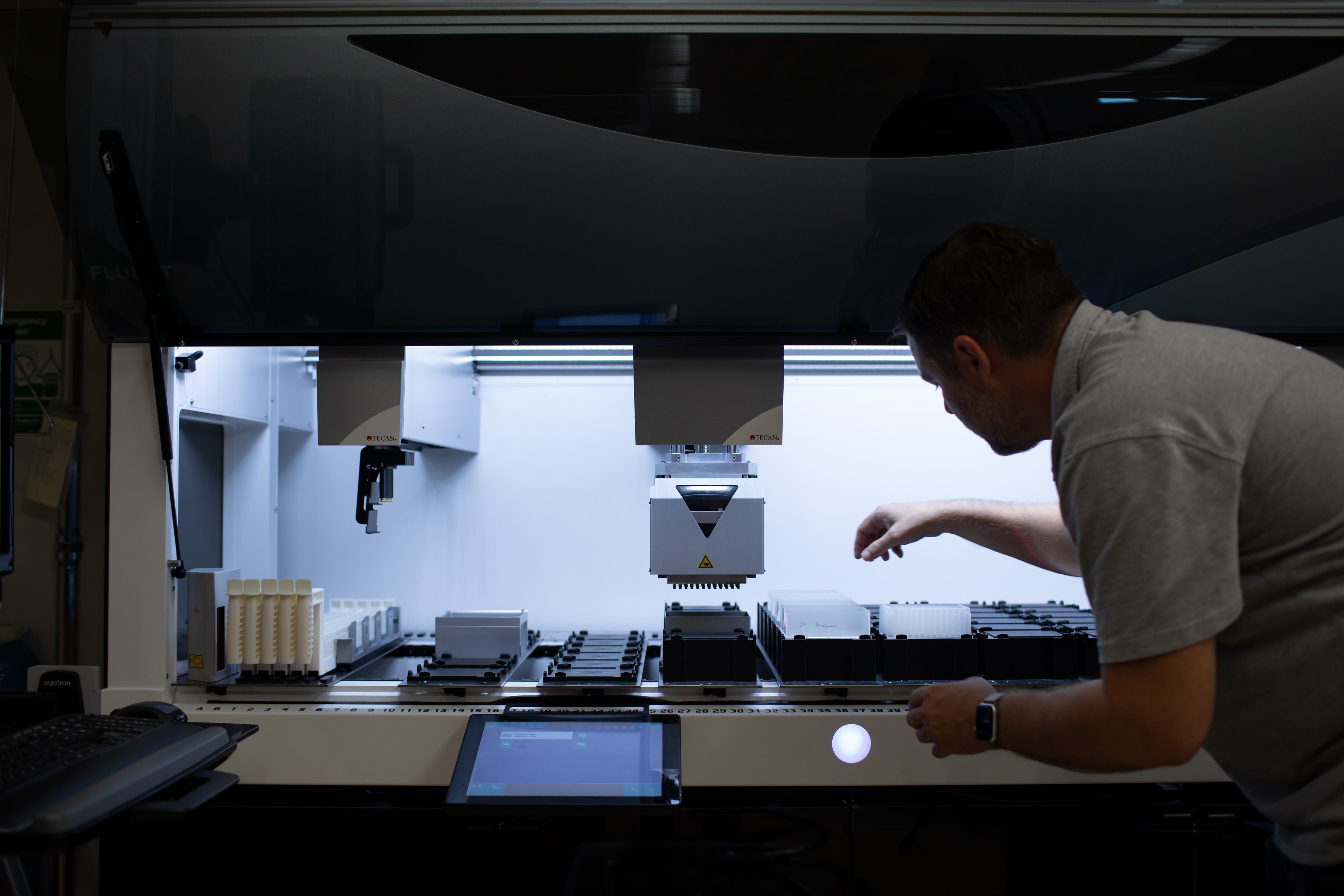
UT Austin Harnesses Power of Biology in Partnership with Army Research Laboratory
Inside the "biological foundry" at the Army Research Lab's ARL-South partnership on the campus of UT Austin
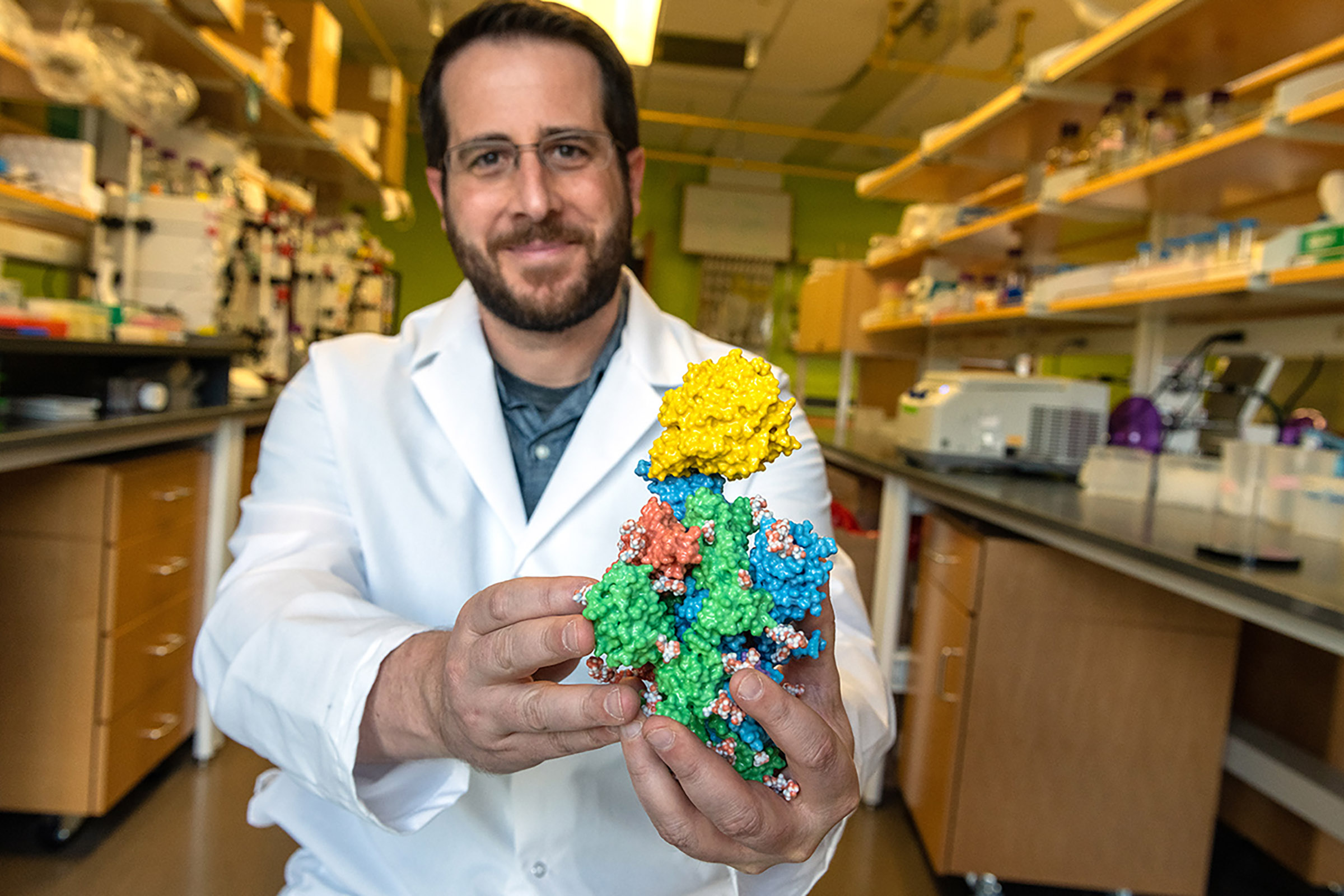
McLellan Honored for Contributions to COVID-19 Vaccines
Jason McLellan, UT Austin molecular biosciences professor, has received the 2021 Shirley Bird Perry Longhorn Citizenship Award
Department of Molecular BIosciences
Jason McLellan Named Texas Inventor of the Year
For his role in biomedical research linked to the development of vaccines and treatments for COVID-19, the professor of molecular biosciences won the award given...
Department of Molecular Biosciences
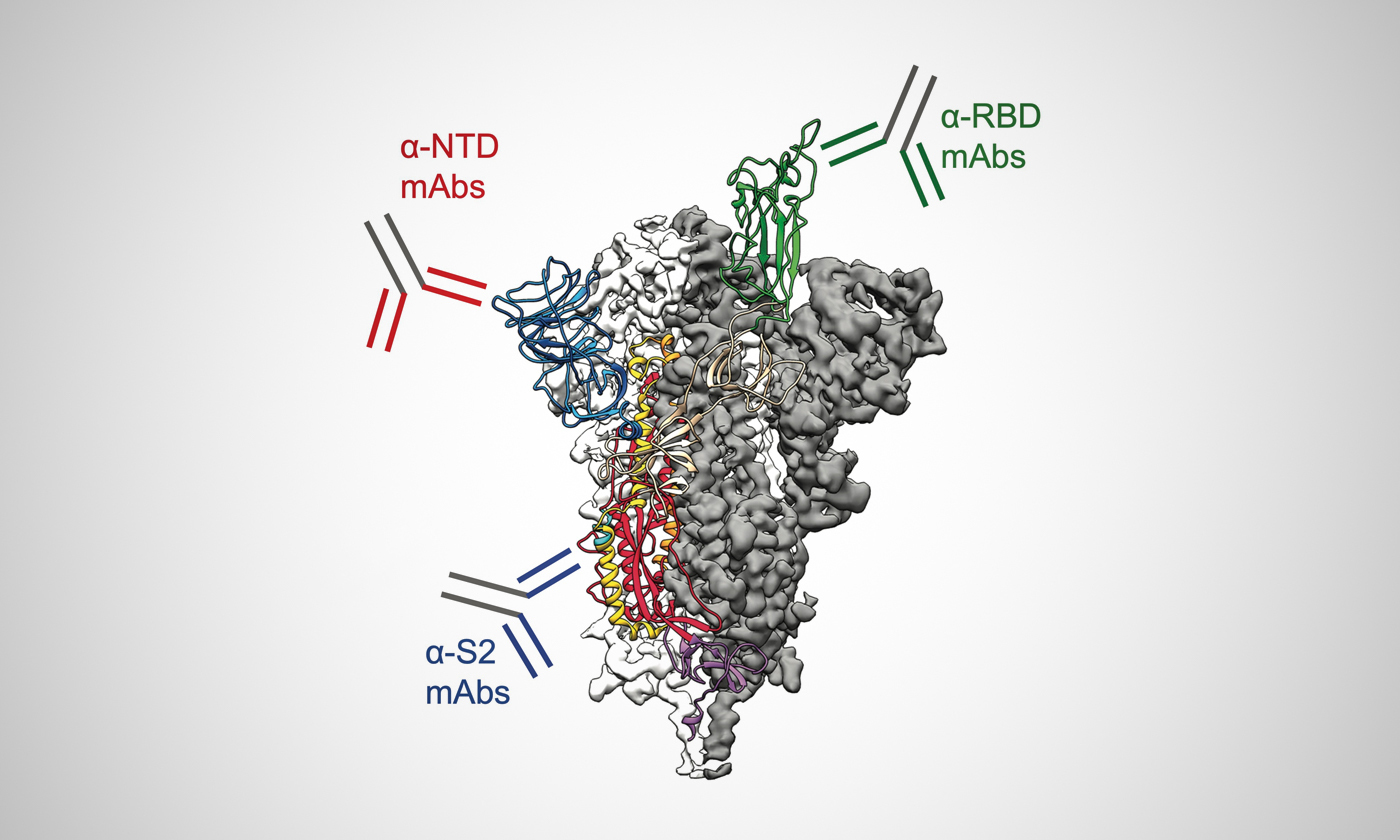
Our Immune Systems Blanket the SARS-CoV-2 Spike Protein with Antibodies
Most antibodies against SARS-CoV-2 circulating in the blood target areas of the viral spike protein outside the receptor binding domain, or RBD
Department of Molecular Biosciences
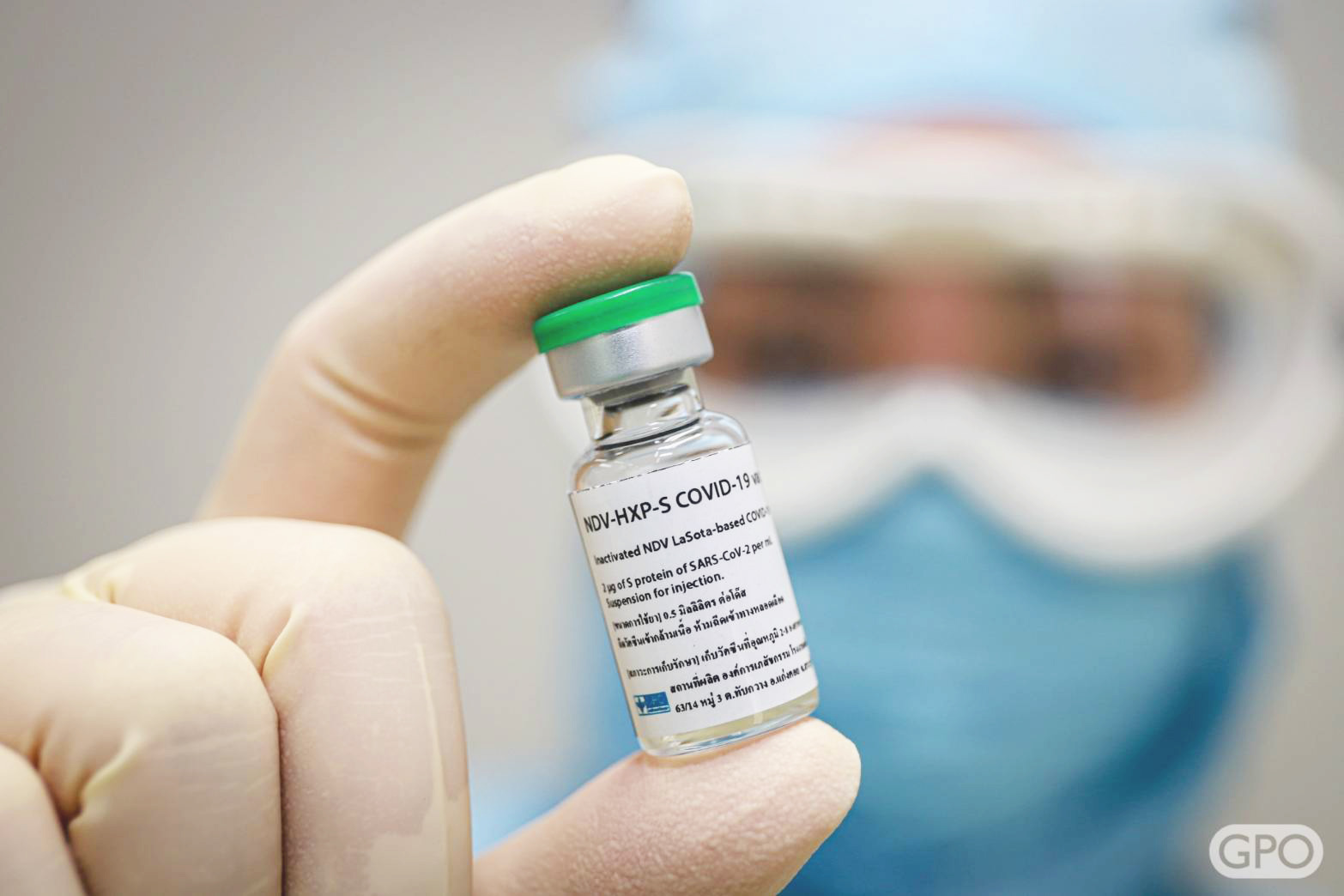
Human Trials Begin for a Low-Cost COVID-19 Vaccine to Extend Global Access
A COVID-19 vaccine in human trials in Vietnam, Thailand and Brazil, holds promise for affordable vaccine manufacturing in countries currently dependent on imported vaccines.
UT News
Texas Coronavirus Scientists Win Award for Research with ‘Great Societal Benefit’
The world’s largest multidisciplinary scientific society has announced that Jason McLellan, a University of Texas at Austin associate professor in the Department of Molecular Biosciences...
Coronavirus Mutation May Have Made It More Contagious
The virus that causes COVID-19 is accumulating genetic mutations, one of which may have made it more contagious.

Department of Molecular Biosciences
COVID-19 Vaccine Innovation Could Dramatically Speed Up Worldwide Production
A redesigned version of the coronavirus spike protein called HexaPro might speed up vaccine production and yield a more effective immune response to SARS-CoV-2.
Department of Molecular Biosciences
Antibodies from Llamas Could Help in Fight Against COVID-19
The hunt for an effective treatment for COVID-19 has led researchers to find an improbable ally for their work: a llama named Winter.