UT Austin Launches New School of Computing
New school will unite key strengths to establish a center of excellence, strengthening interdisciplinary research and preparing talent for a rapidly changing economy.
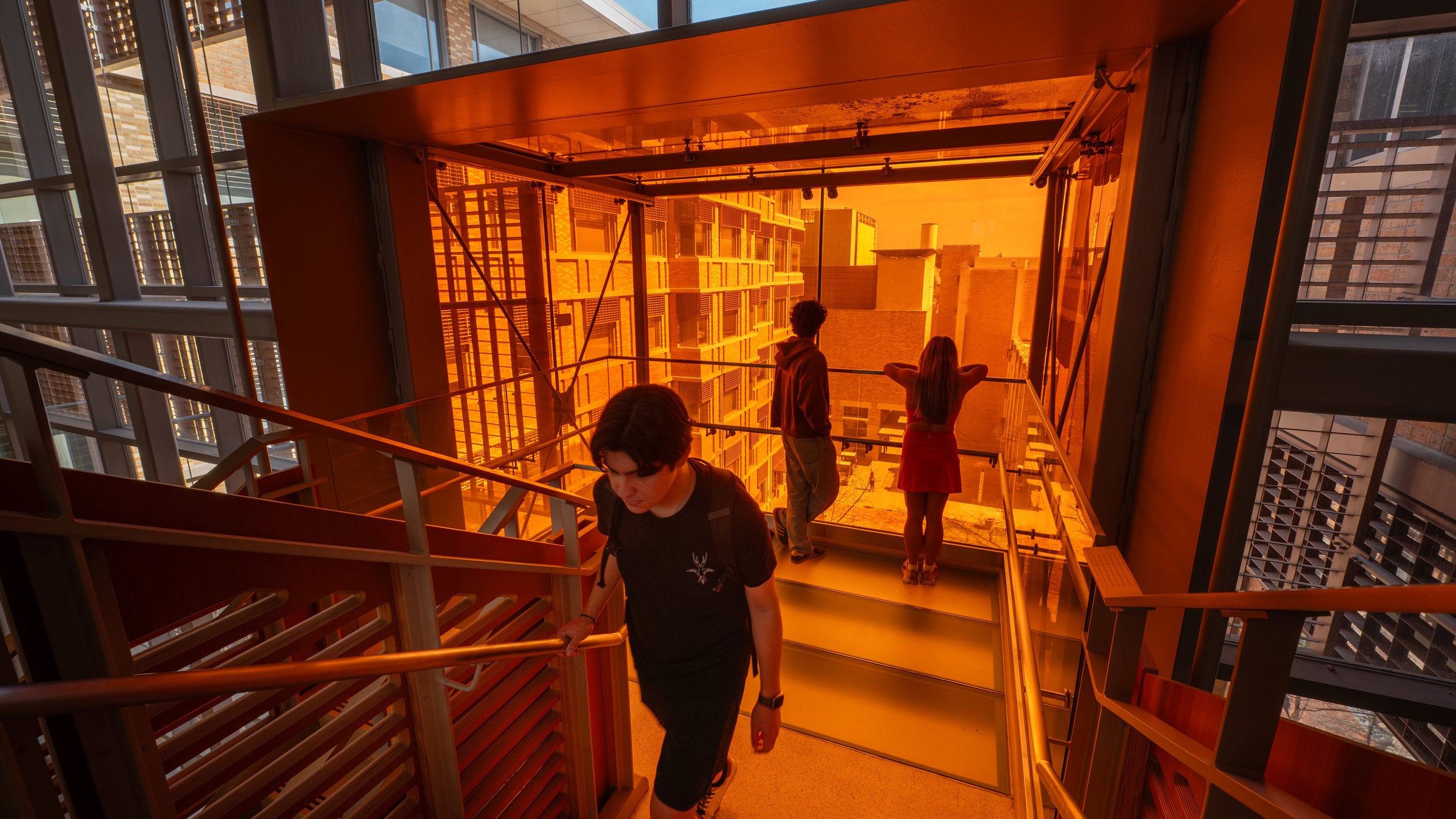
Students in UT’s new School of Computing will include those studying computer science, information and statistics and data sciences.
The University of Texas System Board of Regents today approved the creation of a new School of Computing at The University of Texas at Austin, a major step in advancing the University’s global leadership in computing, data, information and artificial intelligence that increasingly shape our society and economy. The new school is slated to open in Fall 2026.
Already one of the nation’s largest producers of talent in these fields, UT expects the School of Computing to further strengthen pathways to high-impact careers, graduate study and research leadership, reinforcing the University’s mission to serve Texas and strengthen America’s economic and technological dominance.
The school will unite the disciplines of computer science, information, statistics and data sciences into a single school. Housed within the College of Natural Sciences, the school is designed to meet growing student demand and accelerate interdisciplinary research.
The school is committed to recruiting and hiring 50 faculty positions to educate more of the talent the country needs and generate more of the knowledge required to navigate profound technological change, while leading the nation in developing scientifically rigorous, human-centered approaches to computing, data and information.
“This unified school represents an opportunity to leverage our resources in ways that will accelerate discovery, help Texas attract talent, and position our University to lead in developing systems that are trustworthy and designed to serve society’s interests,” said David Vanden Bout, dean of the College of Natural Sciences. “By expanding opportunities for our students and advancing interdisciplinary research, the School of Computing helps cement UT’s place in defining the technologies, ideas and approaches necessary for navigating our era of rapid technological change.”
Artificial intelligence and computing are already transforming health care, transportation, communication, science and the creative industries — powering new medical discoveries, reshaping how people connect, and redefining how complex systems are designed and managed. The School of Computing is designed to support research and education at this scale, serving as a University-wide resource that enables deeper interdisciplinary collaboration among faculty members and students across fine arts, liberal arts, business, medicine, law and engineering.
By consolidating complementary strengths, the school will support large-scale, cross-cutting research initiatives that address complex technological and societal challenges.
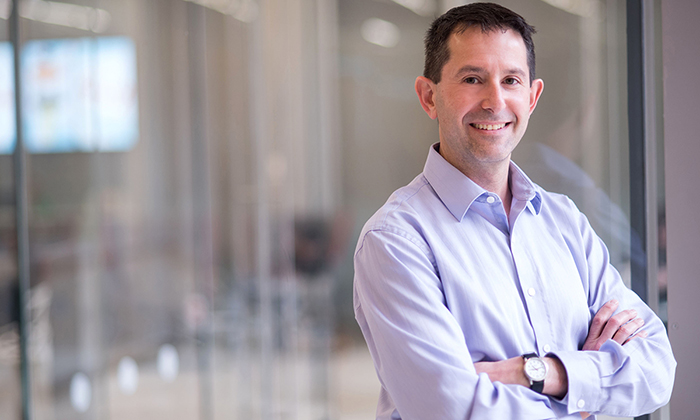
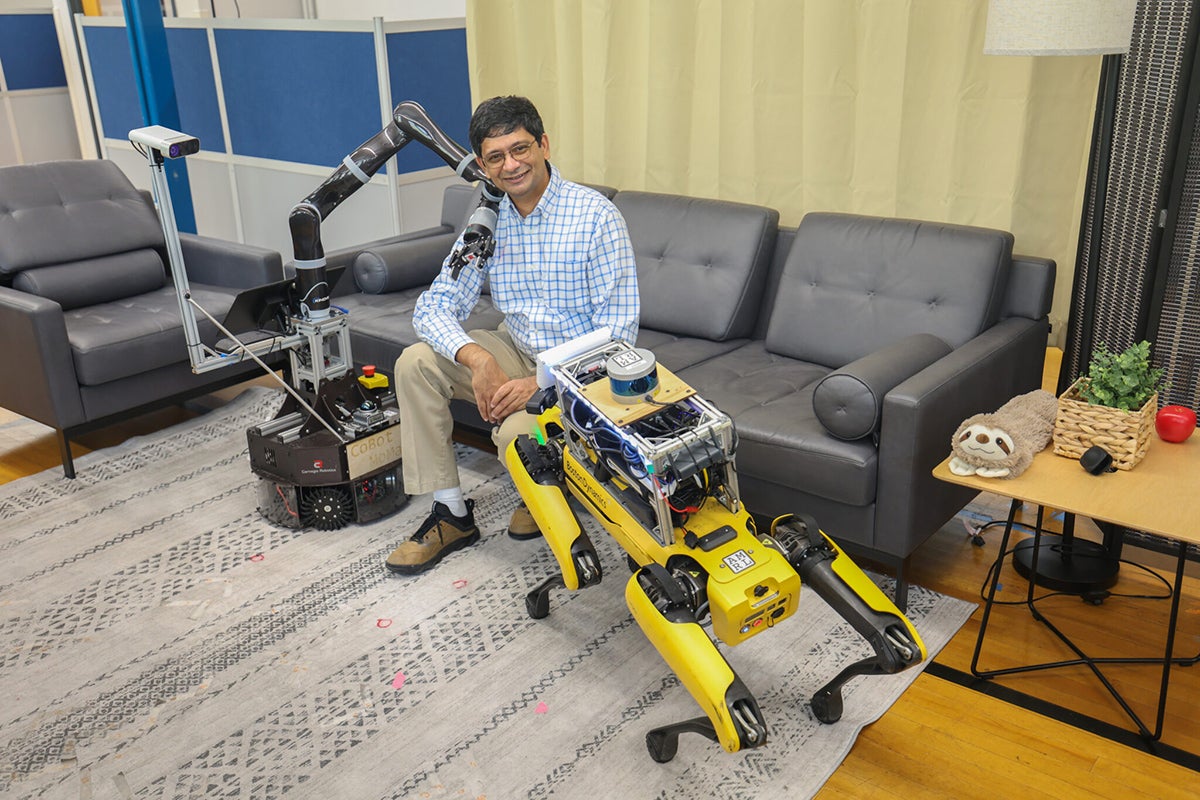
Vanden Bout has tapped Peter Stone, currently the chair of the Department of Computer Science and founding director of Texas Robotics, to serve as Special Adviser for School Formation to collaborate with Ken Fleischmann, interim iSchool dean, and James Scott, chair of the Department of Statistics and Data Sciences, on preparations for the school’s launch during the fall.
“World-class strength in computing, data and information has ripple effects far beyond any single discipline,” Stone said. “This school strengthens our ability to work across fields and build on longstanding partnerships to advance research in areas like robotics, machine learning, scientific computing, user experience, data sciences, statistics, health informatics and the societal dimensions of AI.”
The School of Computing will also enable UT Austin to significantly expand educational opportunities for students. The additional faculty hires will support enrollment of more majors in computing-related fields while also making computing and AI education broadly available to students across the University, regardless of discipline. This approach is designed to ensure that graduates in every field are prepared to engage with technologies that increasingly shape their professions.
The School of Computing will work in close collaboration with the Chandra Family Department of Electrical and Computer Engineering, based in the Cockrell School of Engineering, and with the Oden Institute for Computational Engineering and Sciences and the Texas Advanced Computing Center (TACC), among other campus partners, behind the University-wide computing ecosystem already working to advance research, support education and drive innovation at scale.