Meet New Faculty In the College of Natural Sciences
New faculty across the college are bringing research expertise across a wide range of scientific fields.
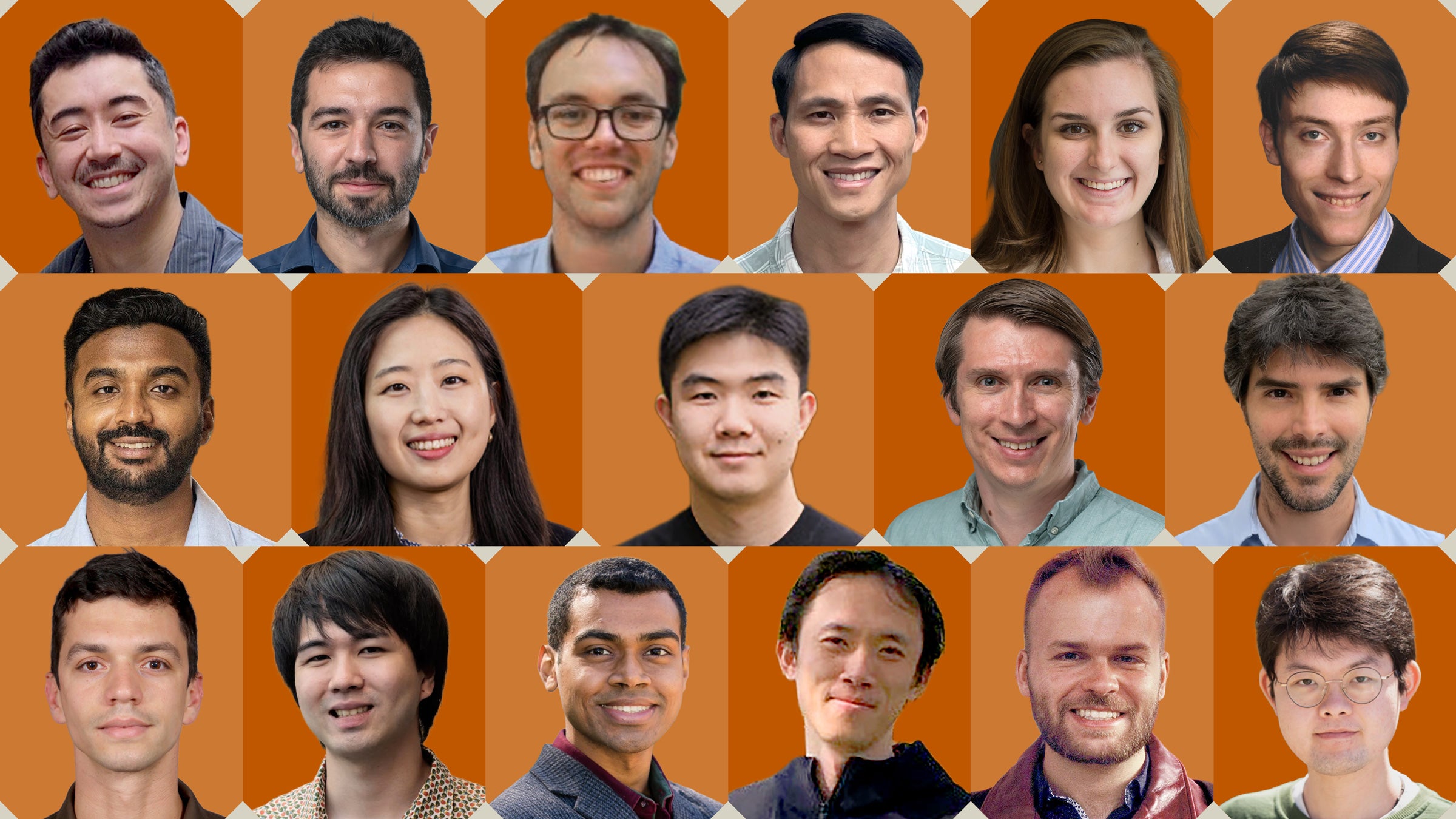
New members of the College of Natural Sciences faculty are conducting research in a wide range of subject areas, from exploring gravitational waves and quantum materials to designing innovative AI systems and uncovering the biological rules that shape life. Meet 17 new faculty members who are bringing their expertise to UT Natural Sciences and driving discovery across a wide range of fields. They are part of an even larger cohort also joining the college later this academic year.
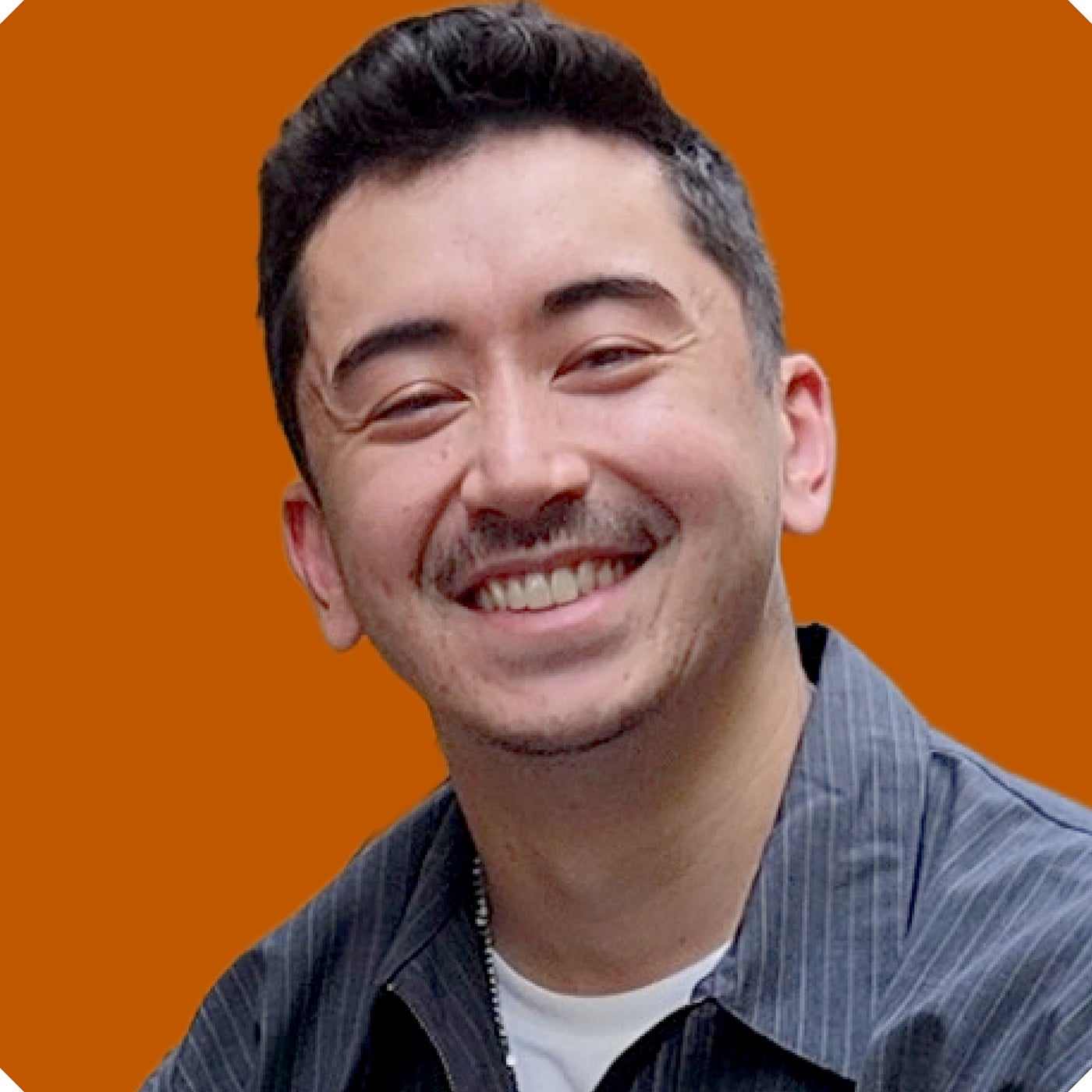
Dylan Altschuler, Assistant Professor, Mathematics
Mathemician Dylan Altschuler studies discrete and high-dimensional probability and its connections to geometry, combinatorics, statistical physics and algorithm design. His research develops new probabilistic tools and techniques to address fundamental questions across these areas. Altschuler received his Ph.D. in mathematics from New York University and completed postdoctoral training at Carnegie Mellon University after earning his undergraduate degree from Princeton University.
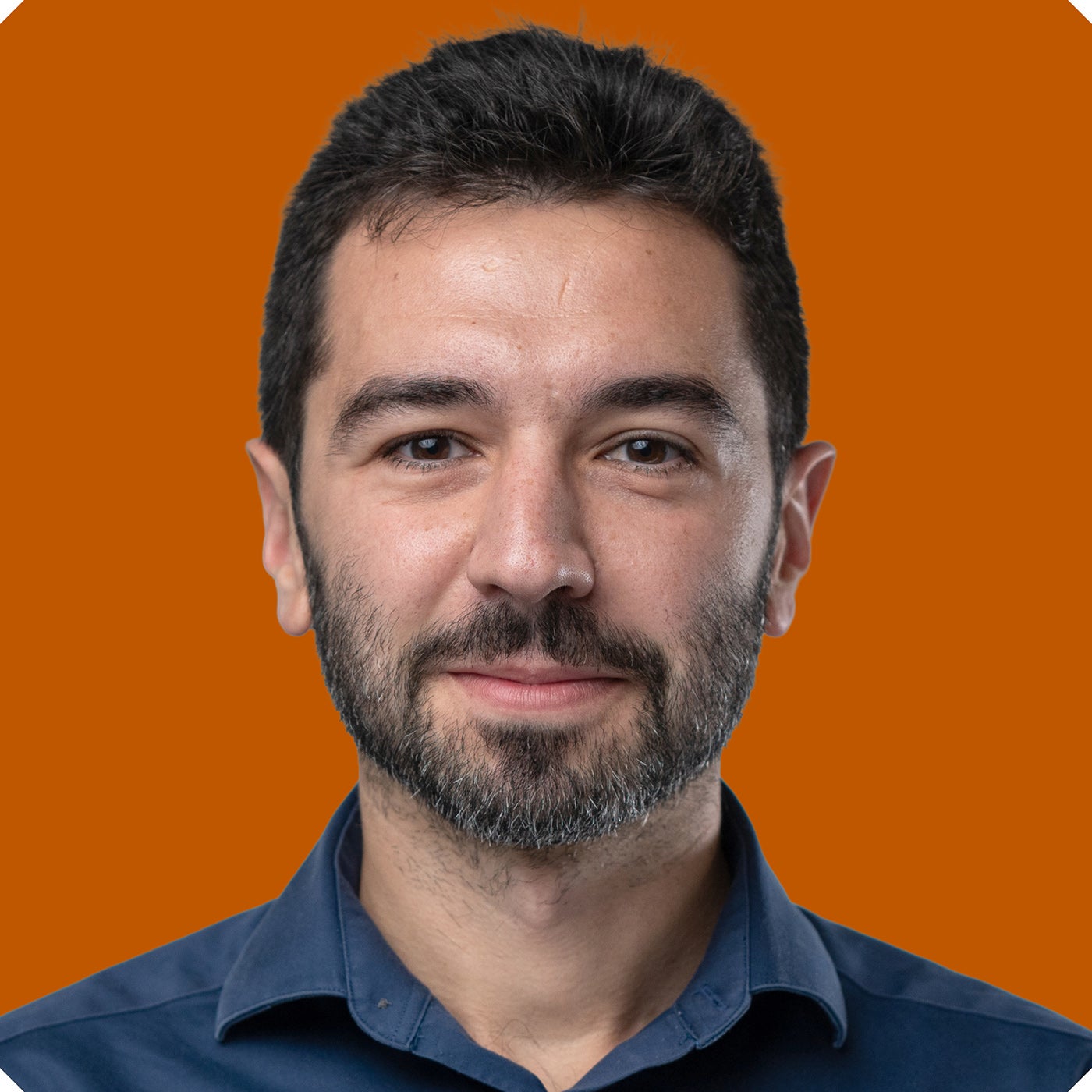
Antonios Alvertis, Assistant Professor, Physics
Antonios Alvertis is a theoretical physicist who develops computational methods to understand complex phenomena in quantum materials. He is particularly interested in how interactions among electrons, atomic vibrations and quantum effects give rise to novel material properties. His research combines ideas from condensed matter physics, chemistry and quantum computing to study the behavior of materials at the quantum level. Alvertis received his Ph.D. in physics from the University of Cambridge and completed postdoctoral research at the University of California, Berkeley. Before joining The University of Texas at Austin back in January, he served as a scientist at NASA Ames Research Center.
Blake Bordelon, Assistant Professor, Neuroscience and the Oden Institute
Blake Bordelon is a computational scientist who studies the mathematical foundations of machine learning and artificial intelligence. He is interested in understanding how large neural networks learn and generalize, drawing insights from statistical physics and theoretical neuroscience. His research develops theoretical frameworks that help explain the behavior of learning systems across biological and artificial networks. Bordelon received his Ph.D. in applied mathematics from Harvard University in 2025 and completed postdoctoral training at the Harvard Center for Mathematical Sciences and Applications after studying physics and electrical and systems engineering at Washington University in St. Louis.
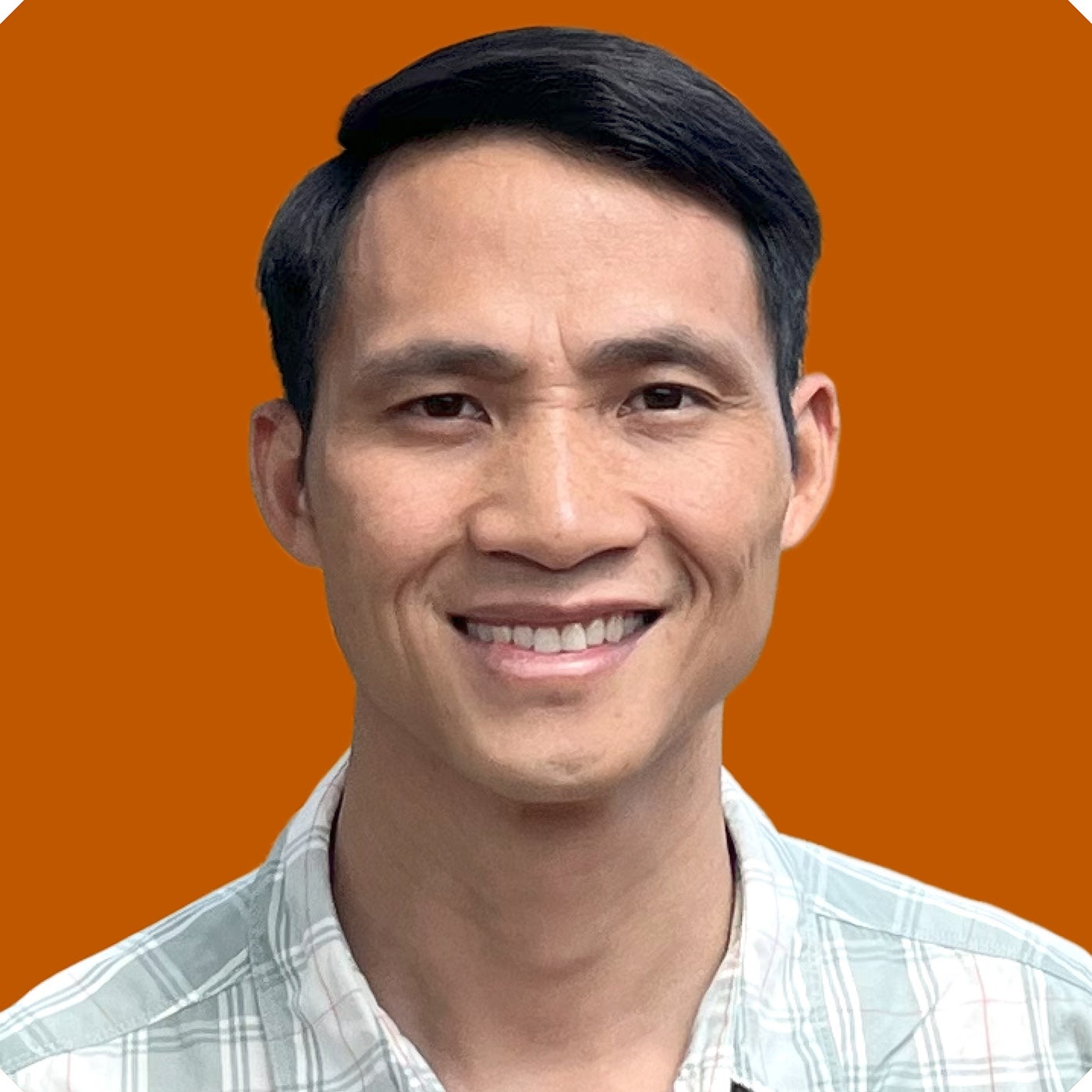
Phuong Dao, Assistant Professor, Integrative Biology
Phuong Dao is an environmental scientist who uses remote sensing, ecological data and artificial intelligence to better understand environmental change across ecosystems. He is interested in developing data-driven approaches that support environmental monitoring, conservation and sustainable resource management. His research integrates satellite observations, environmental intelligence and ecological modeling to address complex environmental challenges at large scales. Dao received a dual Ph.D. in physical geography and environmental studies from the University of Toronto as a Connaught International Fellow and completed postdoctoral training at the University of Wisconsin–Madison and the NSF-ASCEND Biology Integration Institute.
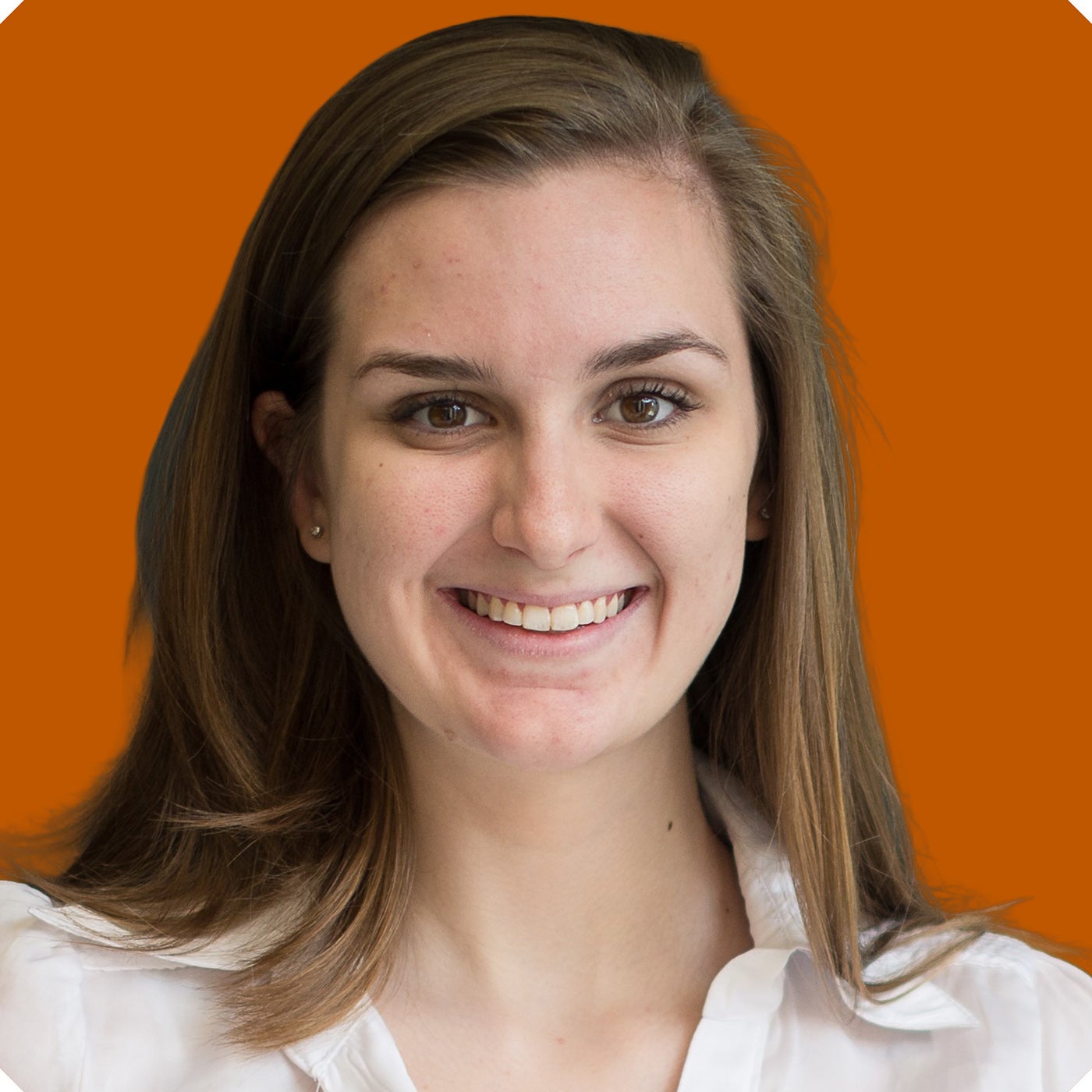
Rikki Garner, Assistant Professor, Molecular Biosciences
Rikki Garner is a biophysicist who studies the fundamental physical principles that shape and pattern living systems. Her research investigates how cells organize themselves to form complex tissues and organisms, and integrates advanced imaging, artificial intelligence, machine learning and biophysical modeling to uncover the mechanisms of biological self-organization from the molecular to the organismal scale. A central focus of her work is tissue fluidity, the ability of cells to move, flow and rearrange within tissues, and how it regulates tissue patterning in health and disease. Garner received her Ph.D. in biophysics from Stanford University and completed postdoctoral training in systems biology at Harvard Medical School.
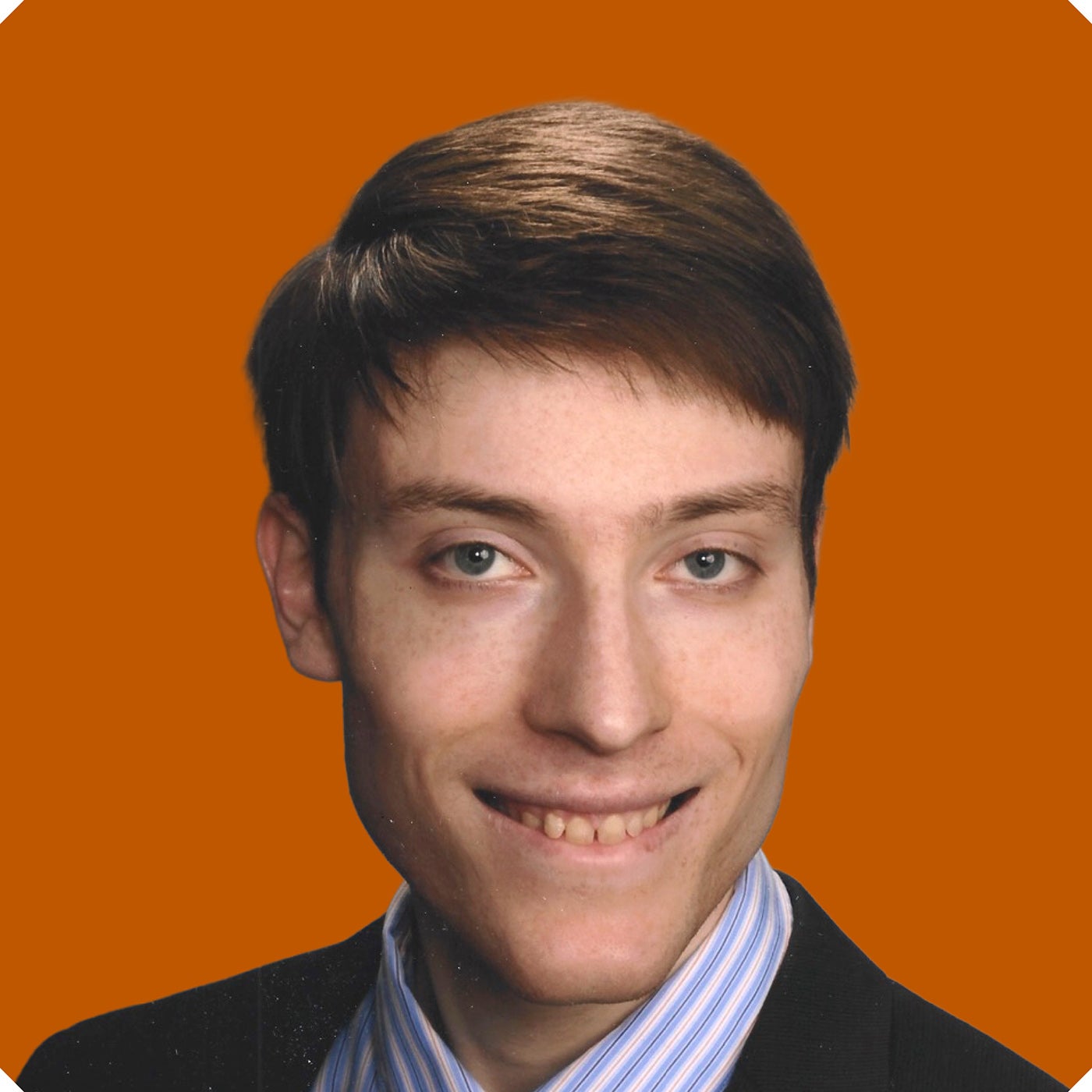
Noah Golowich, Assistant Professor, Computer Science
Noah Golowich studies the theoretical foundations of artificial intelligence and machine learning. He is interested in understanding how intelligent systems learn, interact and make decisions in complex environments. His research spans multi-agent learning, reinforcement learning and game theory, with the goal of developing mathematical frameworks that explain and improve the behavior of modern AI systems. Golowich received his Ph.D. from the Massachusetts Institute of Technology in 2025 and earned his A.B. and S.M. from Harvard University before completing postdoctoral training at Microsoft Research.
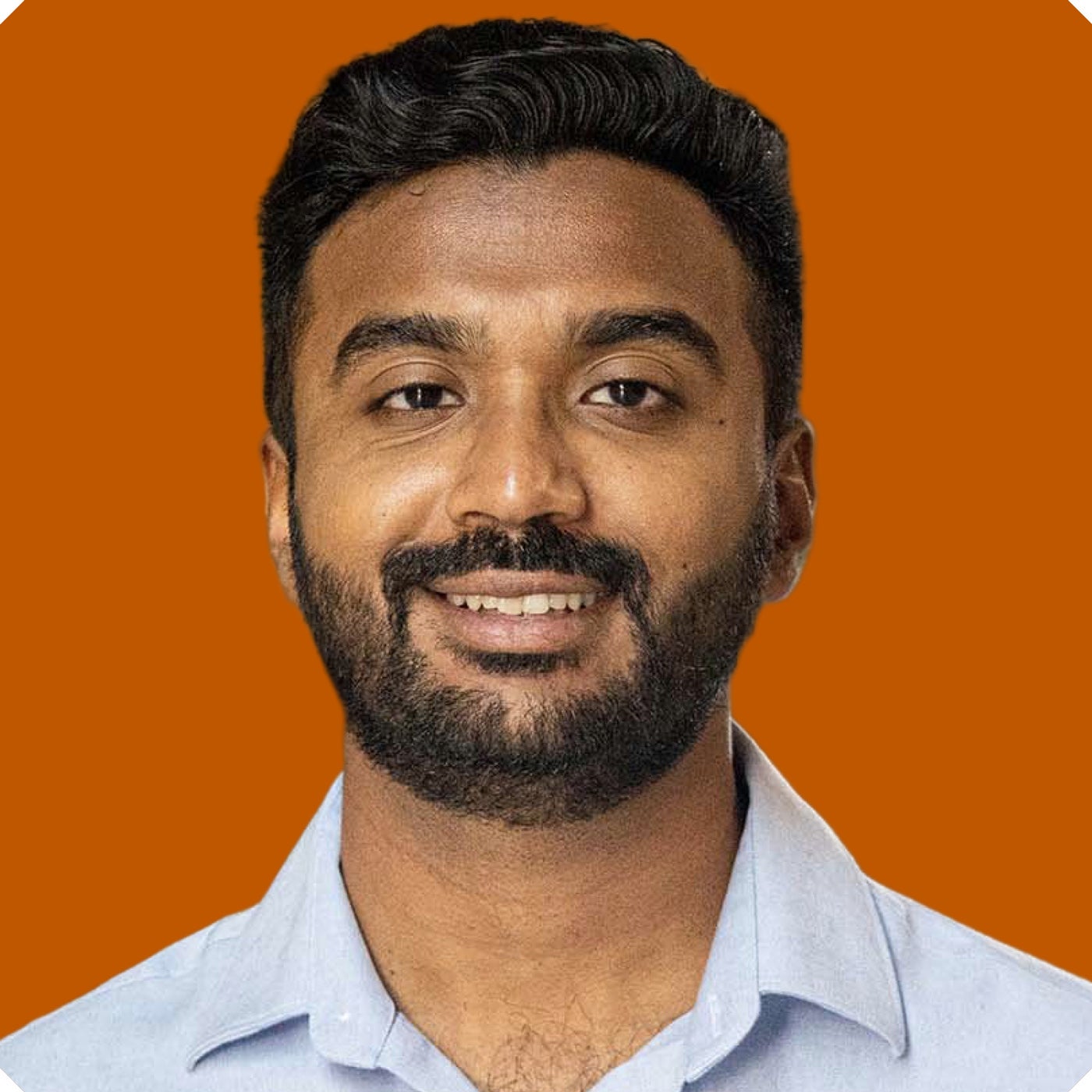
Karthik Mahadevan, Assistant Professor, Computer Science
Karthik Mahadevan is a computer scientist who studies how humans and robots can work together more naturally and effectively. He is developing new forms of interaction that help people and robots build and maintain shared understanding. His research combines interaction design, computational methods and prototype systems, which he evaluates with end users. Guided by the belief that robots should adapt to people rather than the reverse, Mahadevan seeks to create technologies that support more intuitive human-robot collaboration. He received his Ph.D. in computer science from the University of Toronto and completed postdoctoral training at the Massachusetts Institute of Technology.
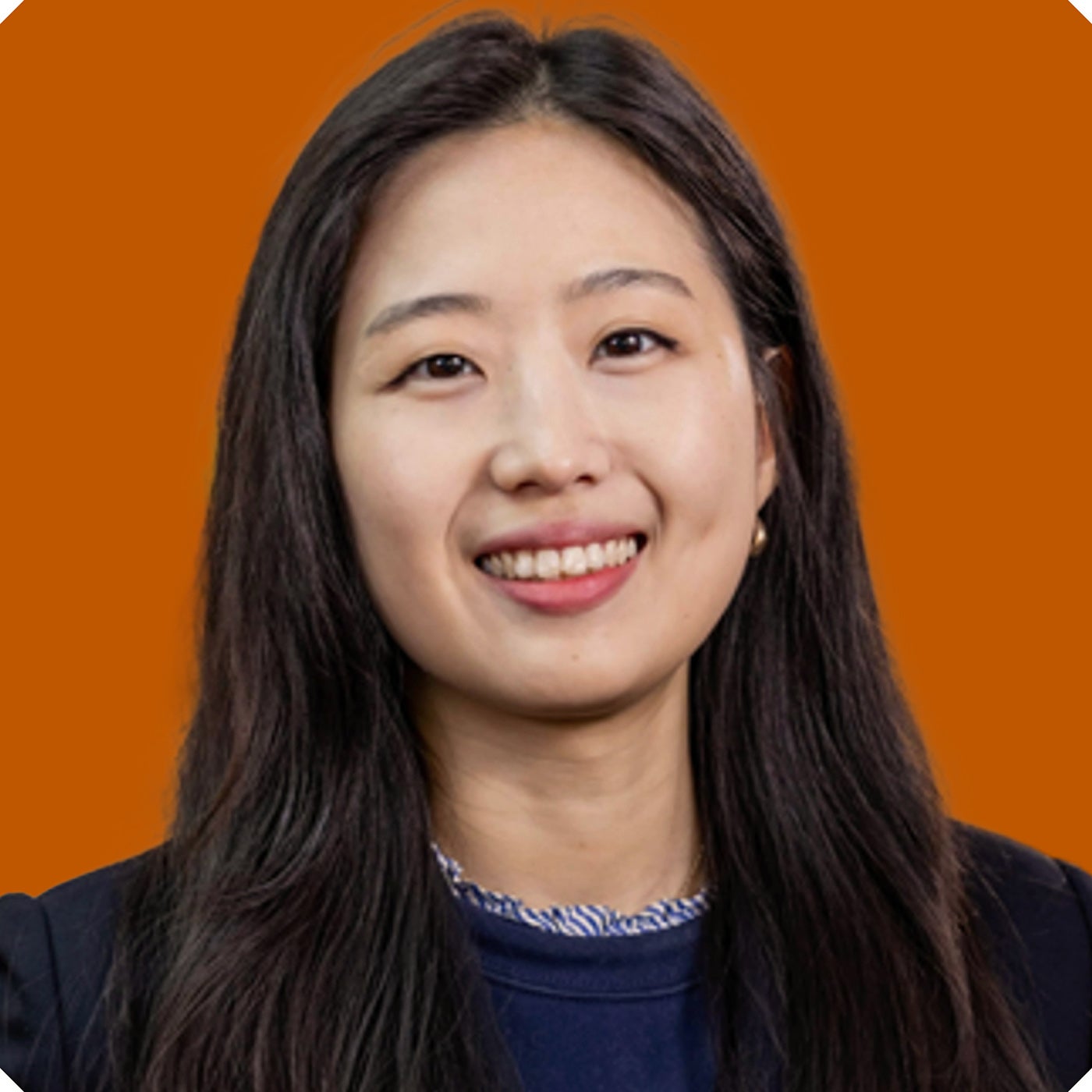
Chan Park, Assistant Professor, Information
Chan Park studies how artificial intelligence systems understand and adapt to the social context of human language. She develops personalized and adaptable large language models that better serve diverse users and communication needs. Her research combines natural language processing, machine learning and human-centered AI to create more effective and context-aware technologies. Park received her Ph.D. from the Language Technologies Institute in Carnegie Mellon University's School of Computer Science and completed postdoctoral research at the University of Washington and Microsoft Research before joining The University of Texas at Austin in August.
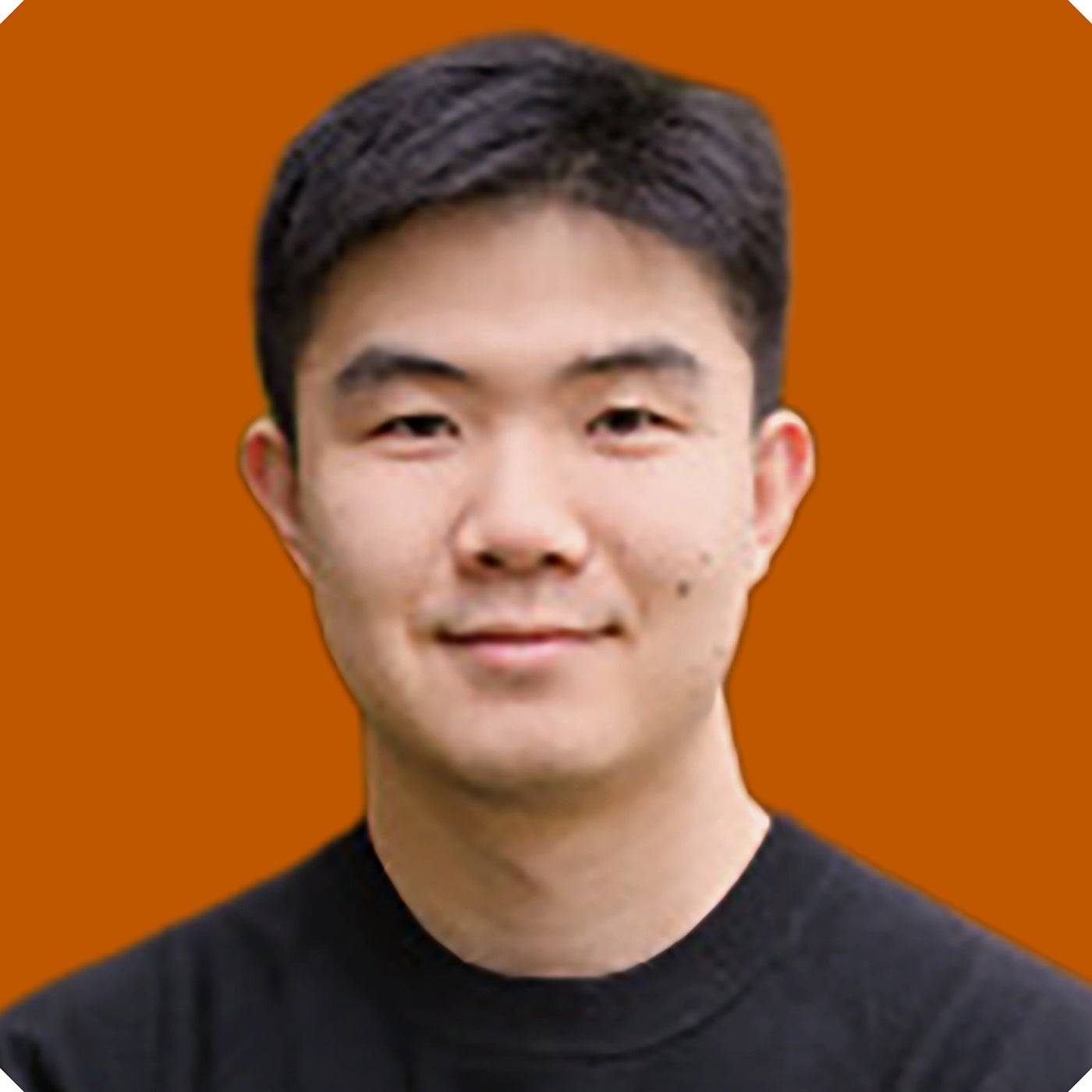
Jiaxin Pei, Assistant Professor, Information
Jiaxin Pei studies the societal impacts of artificial intelligence and large language models. His research examines how AI agents make decisions, interact with users and influence society at scale, and identifies emerging challenges in AI deployment, including the costs of AI systems and the alignment of AI agents with users' interests. Pei received his Ph.D. from the University of Michigan and completed a postdoctoral fellowship at Stanford University's Institute for Human-Centered AI before joining The University of Texas at Austin.
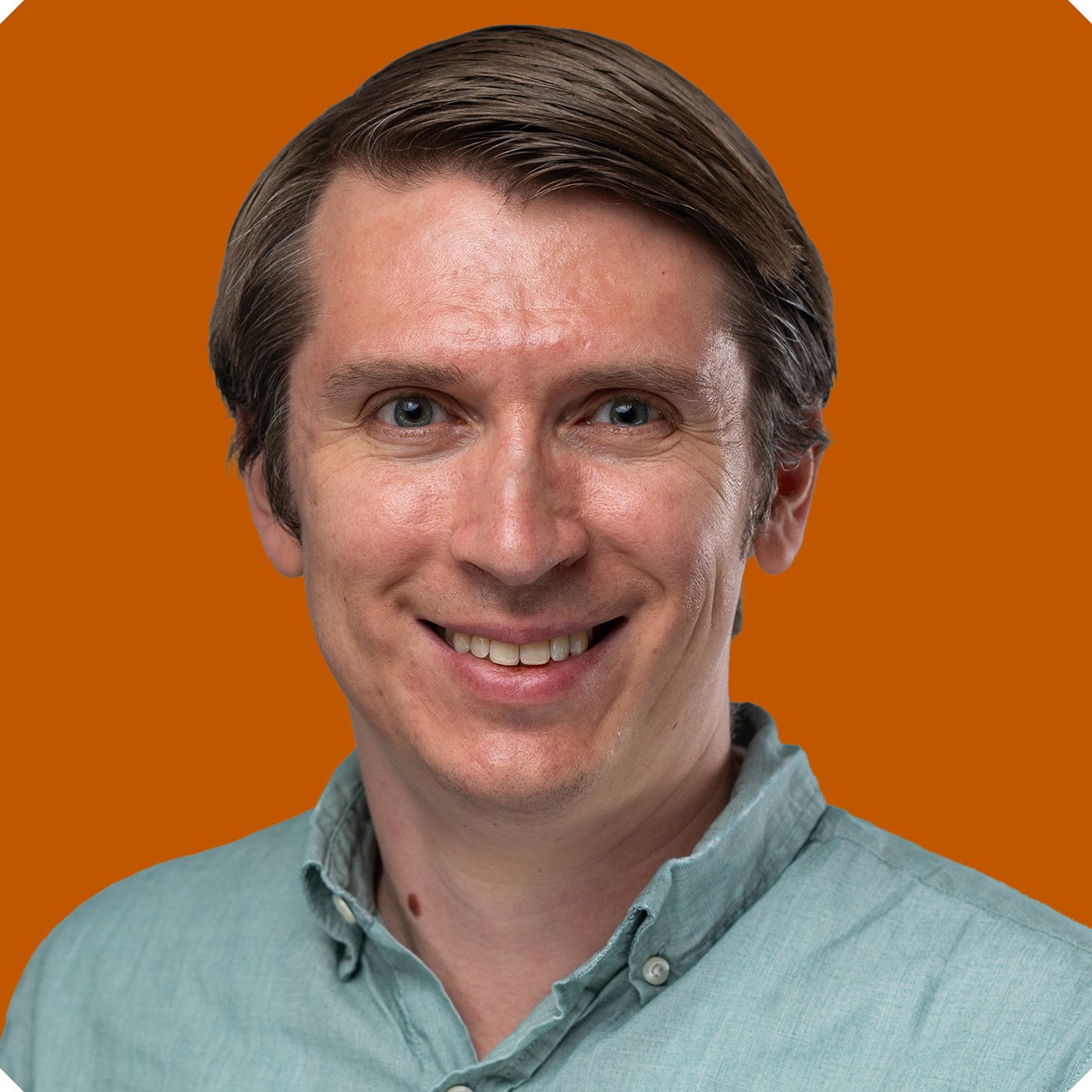
Andrew Savinov, Assistant Professor, Molecular Biosciences
Andrew Savinov is a biophysicist who studies how proteins interact to regulate cellular function in health and disease. His research combines high-throughput experimental biology with artificial intelligence and computational structural proteomics to identify new ways of controlling cellular pathways. In his lab, he targets protein fragment inhibitors to investigate processes underlying antibiotic resistance, cell migration, neurodegeneration and cancer. Savinov received his Ph.D. in biophysics from Stanford University and completed postdoctoral training at the Massachusetts Institute of Technology before joining The University of Texas at Austin as an National Institutes of Health (NIH) Pathway to Independence Award fellow and Cancer Prevention and Research Institute of Texas (CPRIT) Scholar.
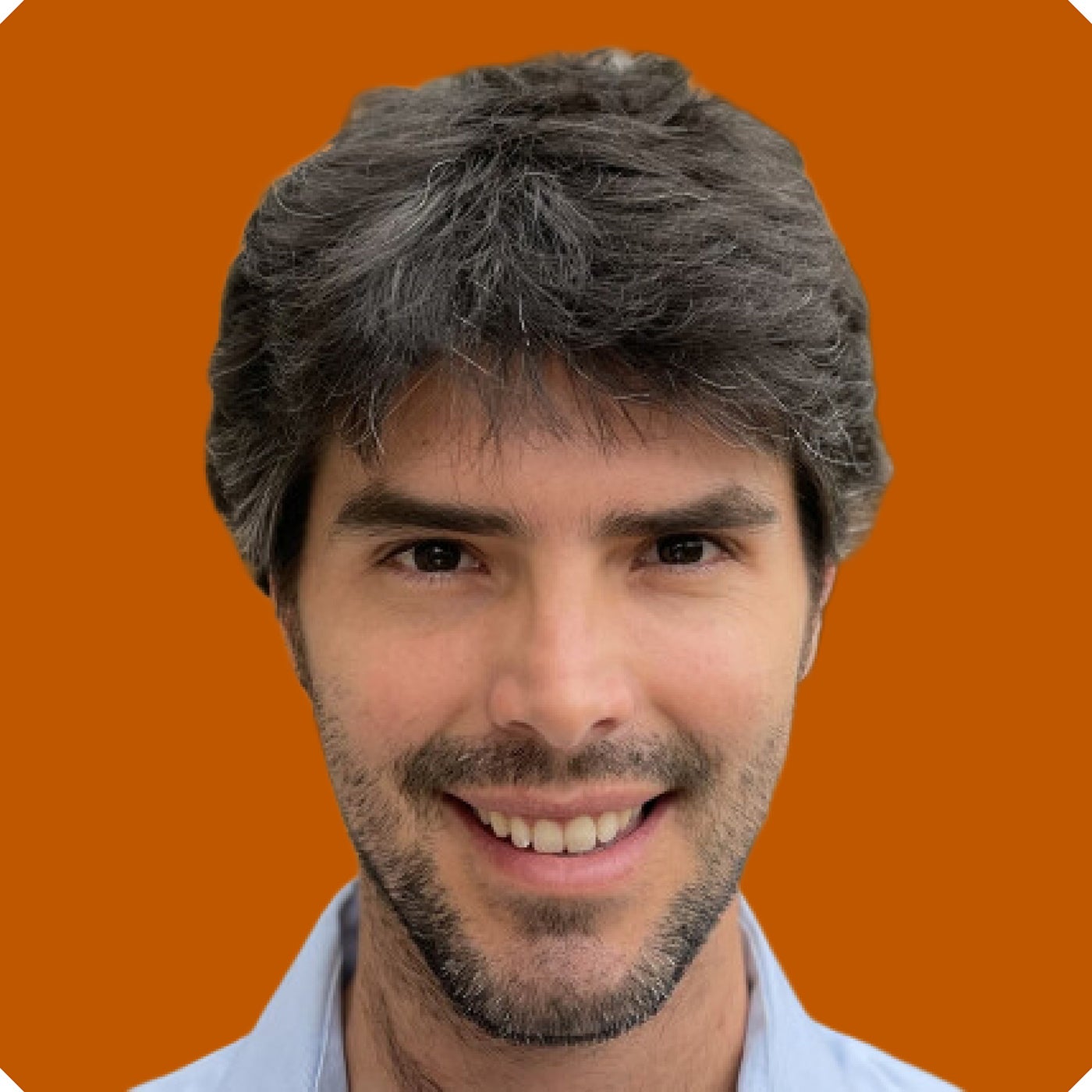
Zach Sickmann, Assistant Professor, Marine Science
Zach Sickmann studies how quaternary climate cycles build and modify source-to-sink sedimentary systems. His work spans tectonic, climatic and human-driven processes and how they are recorded in sediments across modern and ancient environments. His research examines sediment dispersal systems, basin evolution and the geological factors that control how sediments are transported and deposited over time. Sickmann received his Ph.D. in geological sciences from Stanford University and completed the Richard T. Buffler Postdoctoral Fellowship at UT’s Institute for Geophysics before serving as an assistant professor at UT Dallas.
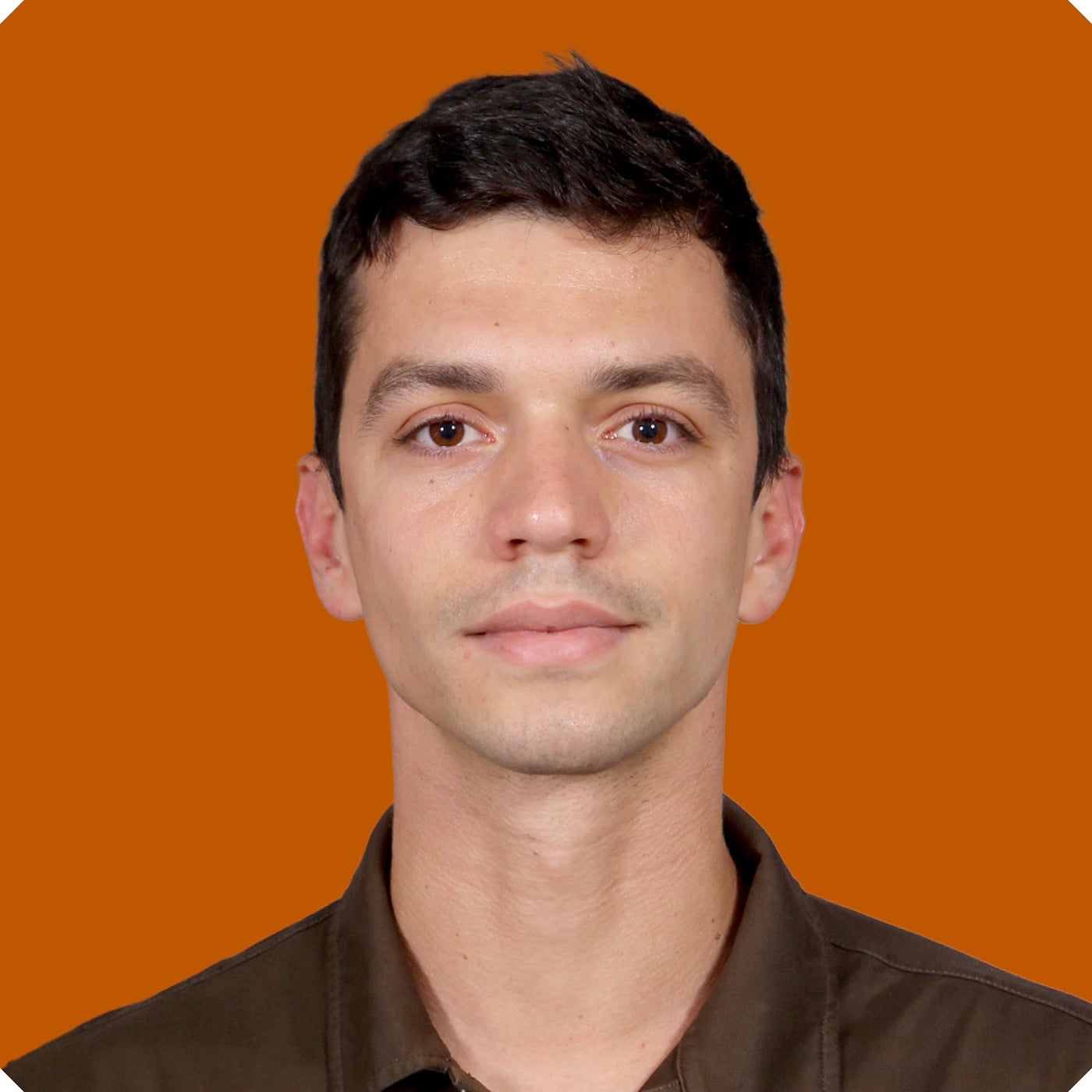
Jovan Stojkovic, Assistant Professor, Computer Science
Jovan Stojkovic is a computer scientist who studies the hardware and software systems that power cloud and data-center computing. His research explores how advances in computer systems and AI techniques can be combined to improve the performance and scalability of modern computing infrastructure. Stojkovic received his Ph.D. in computer science from the University of Illinois Urbana-Champaign and was a visiting researcher at Meta before joining The University of Texas at Austin.
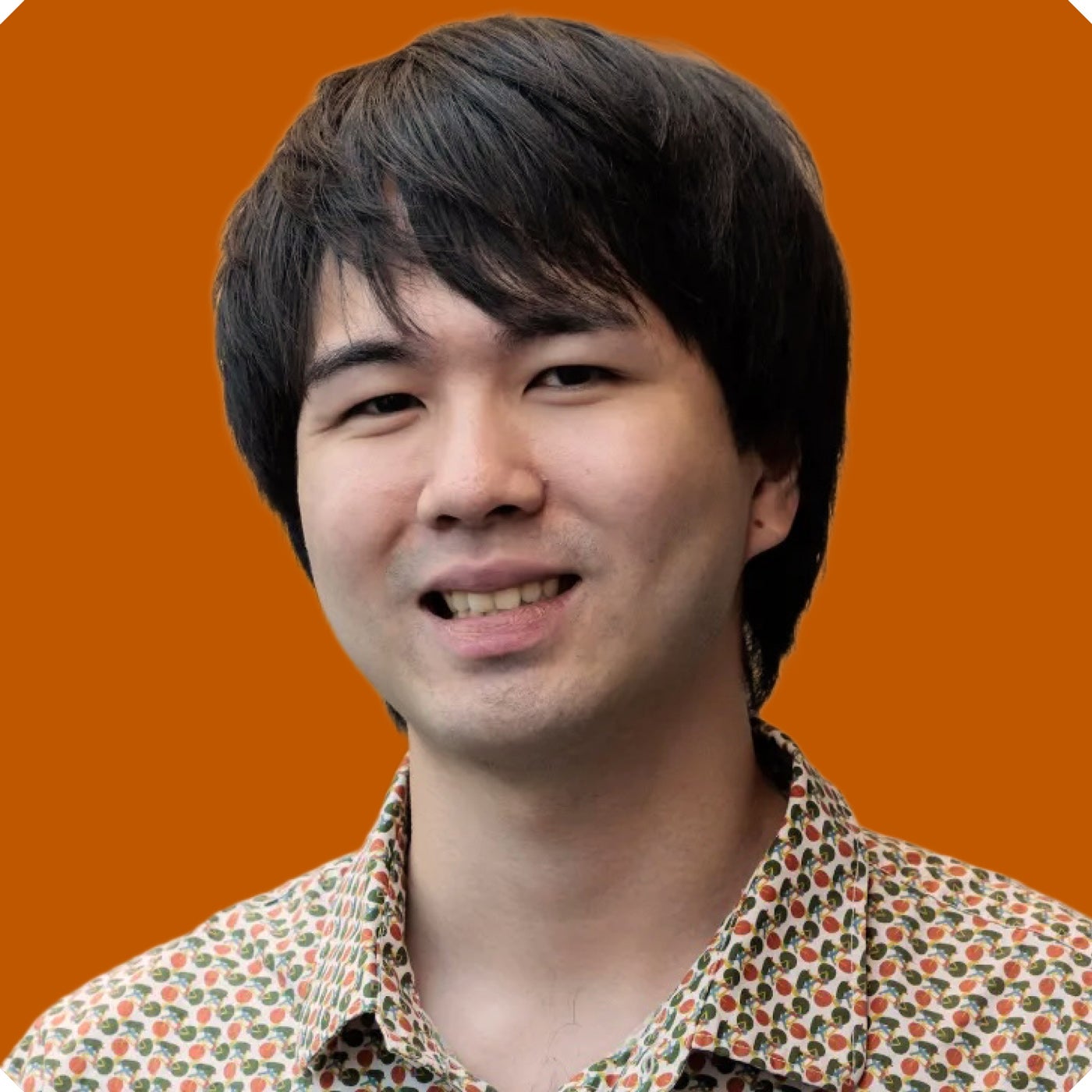
Yudai Tanaka, Assistant Professor, Computer Science
Yudai Tanaka develops human-computer interfaces that interact directly with the brain and nervous system to generate sensory feedback. His research explores technologies that can augment physical abilities and accelerate skill acquisition by delivering information through neural and sensory pathways. Spanning human-computer interaction, wearable technologies and neuroadaptive systems, his work aims to advance the next generation of interactive computing. Tanaka completed his Ph.D. at the University of Chicago.
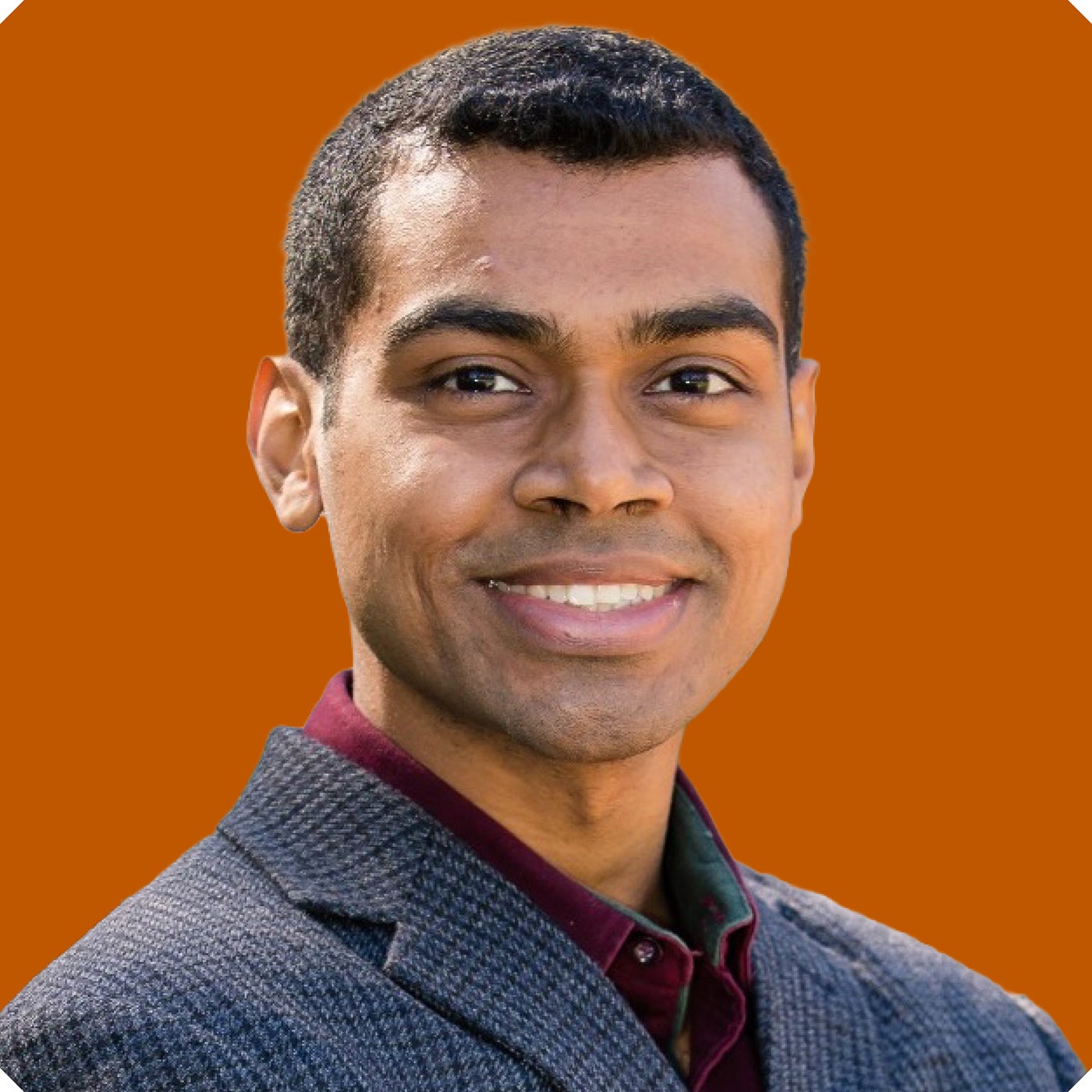
Digvijay Wadekar, Assistant Professor, Physics
Digvijay Wadekar is an astrophysicist who focuses on gravitational waves, cosmology and artificial intelligence. His current research involves searches for compact object mergers in gravitational-wave data and the application of machine learning techniques that can help scientists interpret complex physical phenomena and uncover new discoveries from large datasets. Wadekar received his Ph.D. in physics from New York University and was a member of the Institute for Advanced Study before completing postdoctoral training at Johns Hopkins University.
Xiao "Griffin" Wang, Assistant Professor, Mathematics
Griffin Wang is a mathematician who studies geometric and representation-theoretic questions inspired by number theory. He is interested in trace formulae, Langlands duality and Hitchin systems, which reveal connections between algebra, geometry and arithmetic. Wang studies seemingly different mathematical objects and develops new ways of showing how they are fundamentally connected. He received his Ph.D. in mathematics from the University of Chicago and was a member of the Institute for Advanced Study before coming to UT.
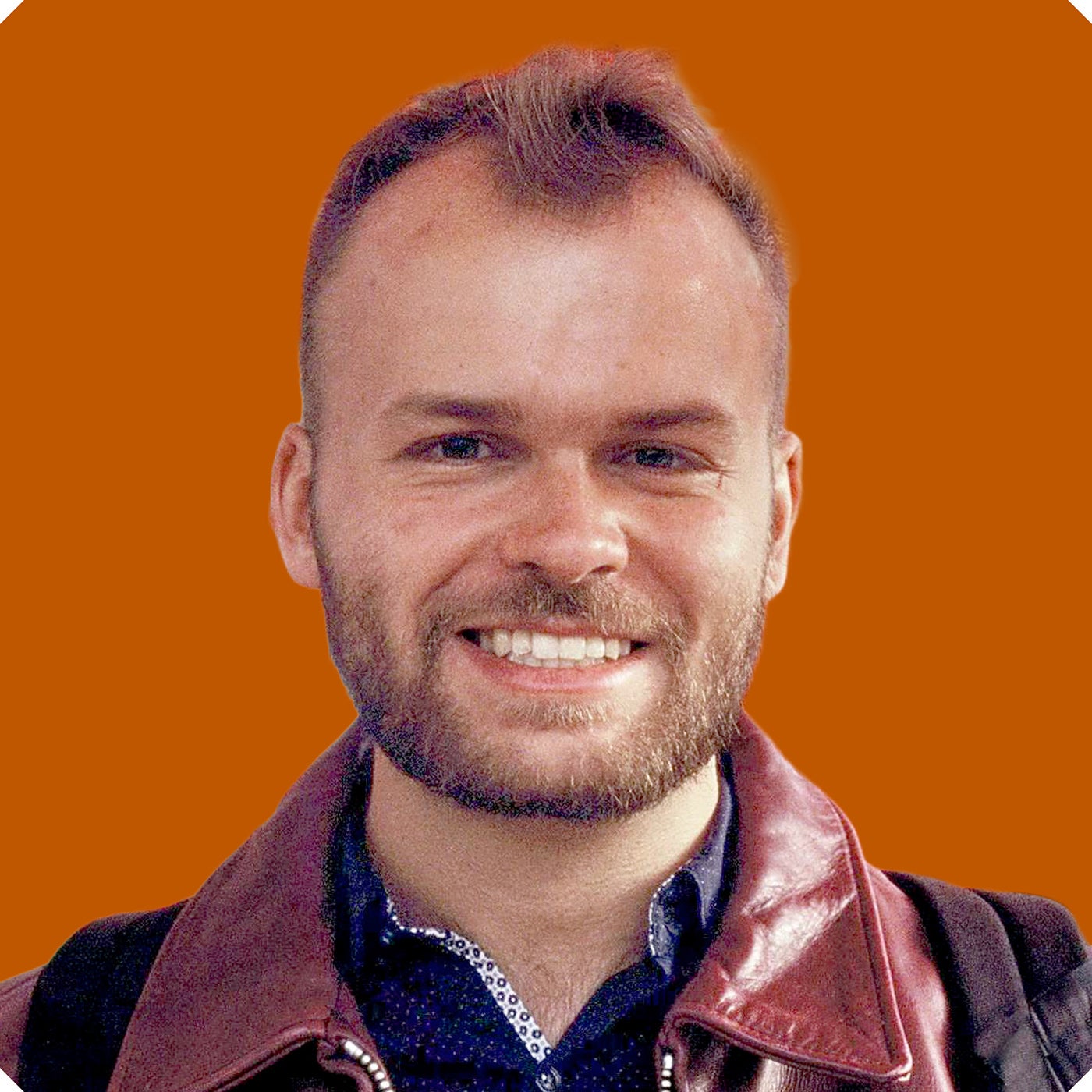
David Widder, Assistant Professor, Information
David Widder studies how people creating AI systems think about the downstream harms their systems make possible and the wider cultural, political and economic logics which shape these thoughts. He was a postdoctoral fellow at the Digital Life Initiative at Cornell Tech, and earned his Ph.D. from the School of Computer Science at Carnegie Mellon University. He has previously conducted research at Intel Labs, Microsoft Research and NASA’s Jet Propulsion Laboratory.
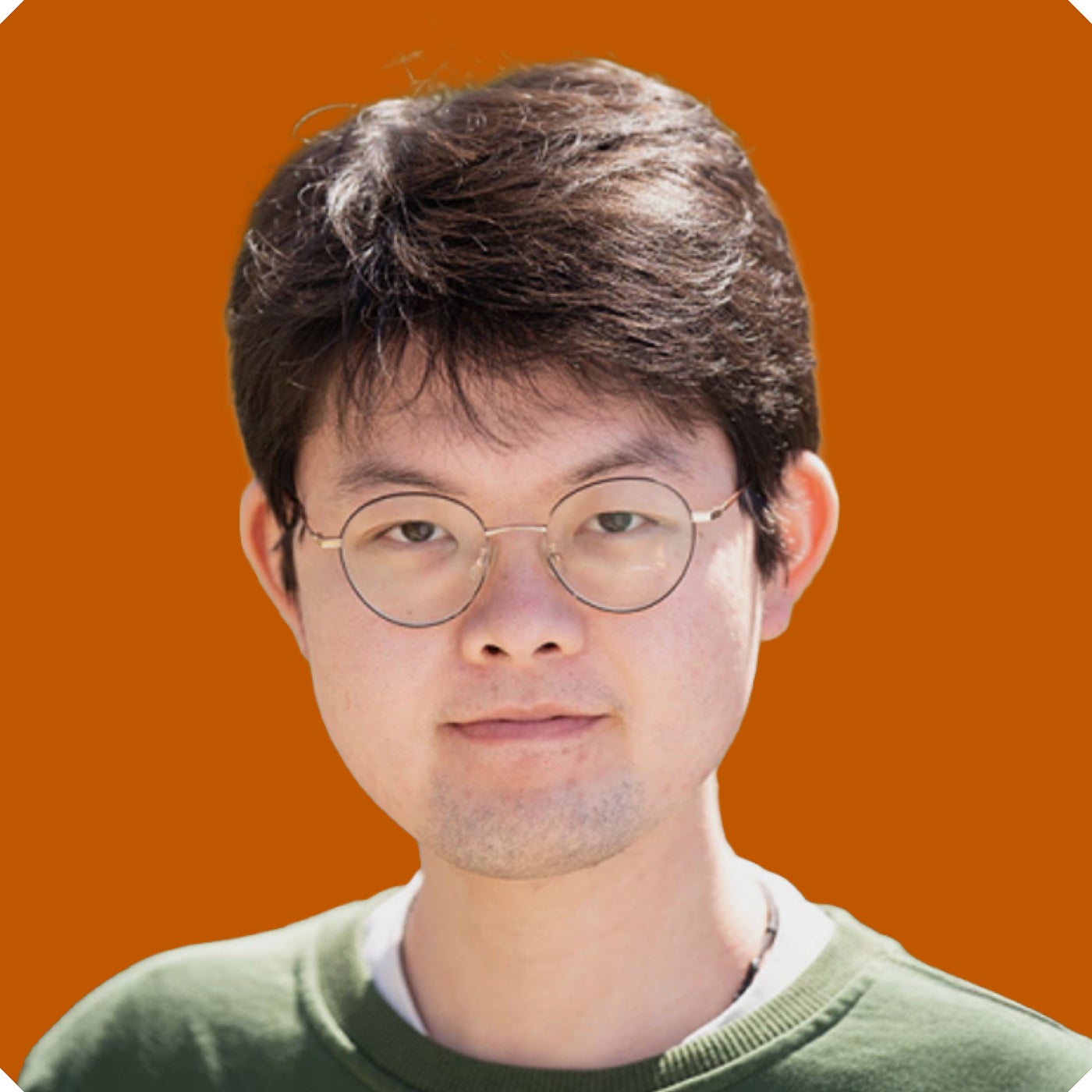
Chenfeng Xu, Assistant Professor, Computer Science
Chenfeng Xu develops efficient machine learning methods and systems for robotics and artificial intelligence applications. His work advances technologies that enable powerful AI models to operate effectively across a range of real-world environments and devices. His research has been widely adopted in industry and open-source communities, with applications in mobile and embedded systems, robotics and autonomous driving. Xu received his Ph.D. from the University of California, Berkeley in 2025.
Additional tenure-track faculty will be joining the college later this academic year:
- Dmitry Eremin (Chemistry)
-
Olga Eremina (Chemistry)
-
Eugene Lee (Neuroscience)
- Michael Radica (Astronomy)
- Margaret Trautner (Mathematics/Oden Institute)
- Jilian Xiong (Marine Science)