
Biodiversity and Kinship in a Changing World
May
20
2026
May
20
2026
Description
More than 60% of Earth’s land is shaped by human activity—from agriculture and grazing to urban development—making land use one of the leading drivers of global biodiversity loss. But how do these changes affect the relationships that sustain ecosystems?
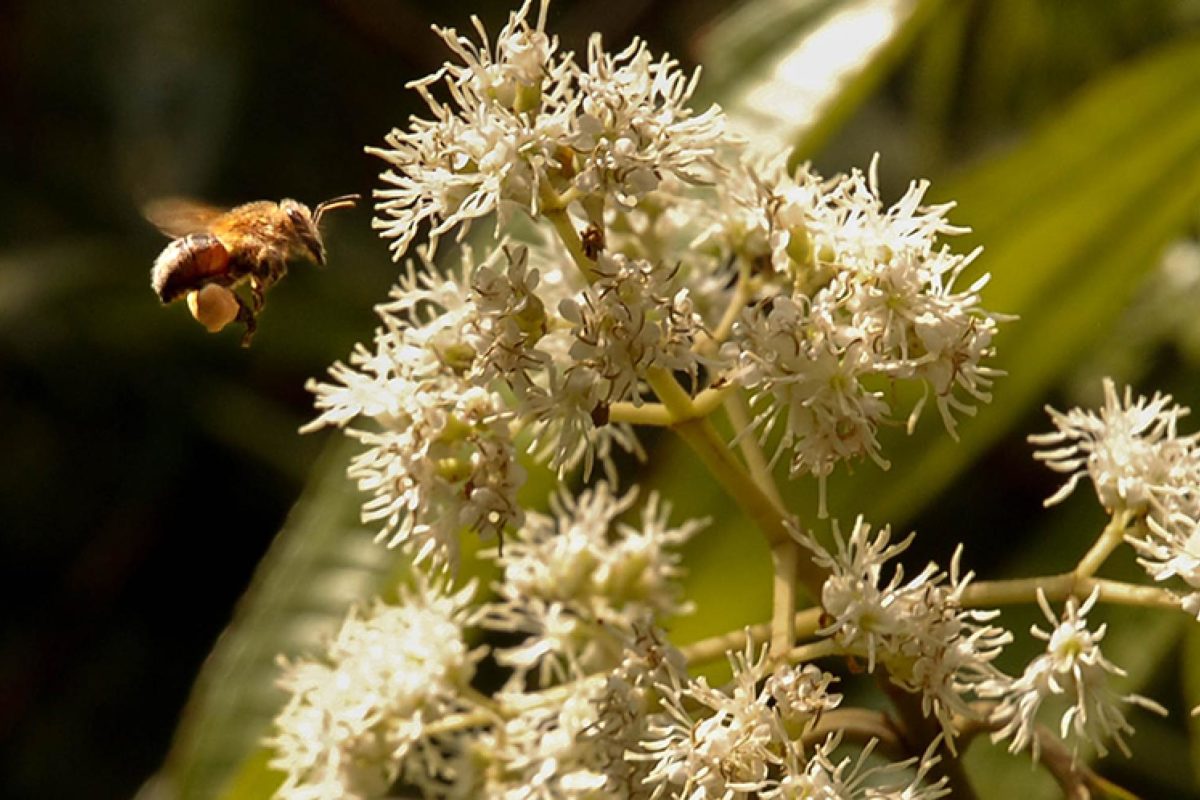
In this free public program, Dr. Shalene Jha will explore how land management influences plant-pollinator interactions across scales, from genes to landscapes. Drawing on research in both temperate and tropical ecosystems, she will examine what drives pollinator diversity, how wild pollinators forage across changing environments and the barriers that affect the movement and genetic exchange of plants and pollinators over time.
Join us to discover how these complex ecological relationships shape the health of our ecosystems—and what they reveal about the future of biodiversity.
Dr. Shalene Jha is a professor in the Department of Integrative Biology at The University of Texas at Austin and Academic Director of Research at the Lady Bird Johnson Wildflower Center. Her research focuses on plant and pollinator biology, species interactions and ecosystem function across a range of landscapes, from grasslands to tropical agroecosystems. Her work examines how land use and global change influence pollinator behavior, gene flow and the ecological services that support biodiversity.
This event includes a light reception and a Q&A. Space is limited, and an RSVP is required.
Location
Texas Science & Natural History Museum